Audit what you already have
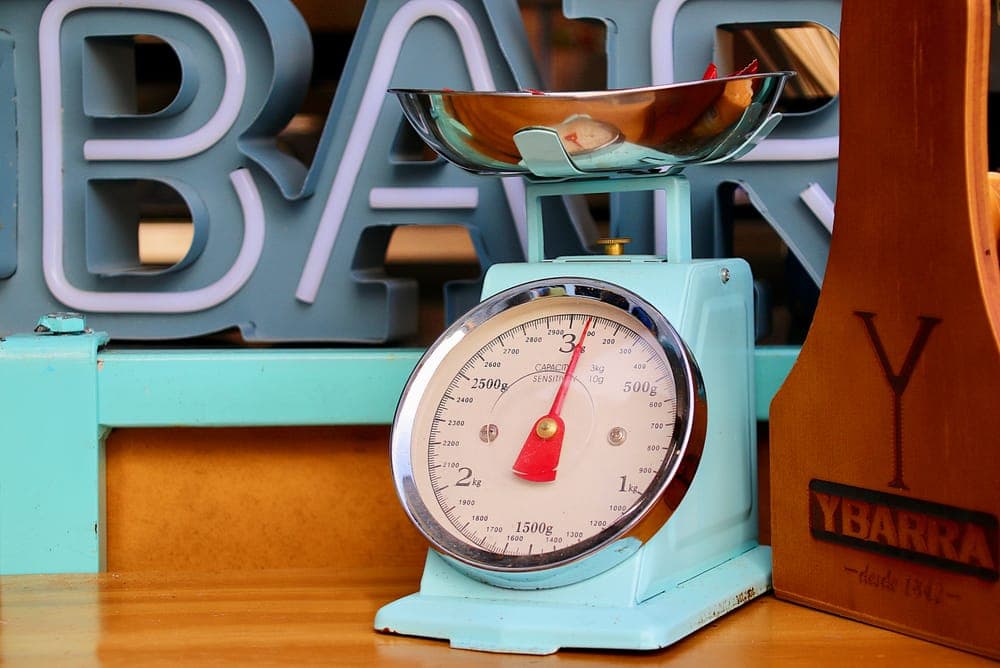
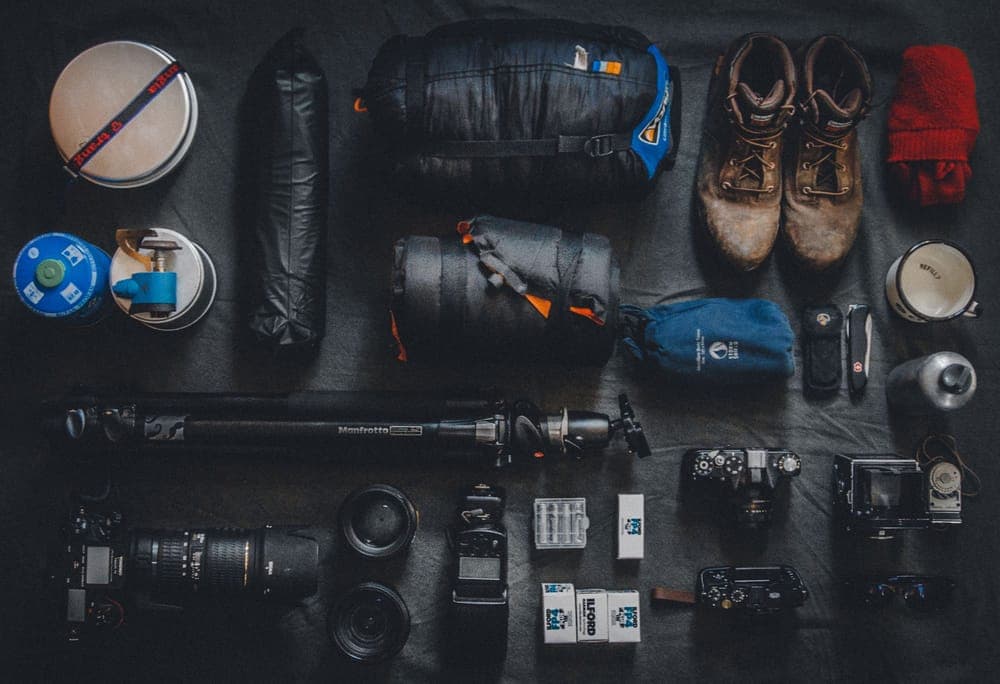
Before buying anything, weigh what's already in your closet. A kitchen or luggage scale that reads in grams is precise enough; a bathroom scale is not. See what is base weight for how to separate your gear into base weight, worn items and consumables, and how to weigh and log each piece. The heaviest items on that list, relative to what a lighter version costs, are where your money does the most work — which is what the rest of this page ranks.
Resist the urge to start with whatever item annoys you most on trail. A pack that digs into your hips is frustrating, but if it's not actually your heaviest category relative to what a lighter version costs, fixing it first spends money without moving your total very far. Rank by grams saved per dollar, not by which piece of gear you're most tired of carrying.
The order that saves the most grams per dollar
Every product on this site carries a grams-per-dollar figure: grams saved against a mainstream, entry-level reference product, divided by the maker's list price — the formula is on the methodology page. Sorted by that figure, the order below is close to universal: shelter and sleep-system swaps tend to save the most grams for the fewest dollars, because a traditional entry-level tent or bag is built heavy on purpose, for durability and a low price rather than a low weight.
This isn't a fixed rule handed down from a gear list on the internet — it's the same math this site runs on every product it ranks, applied to the order you shop in rather than just the picks themselves. Because the underlying figures are published per product, you can check the order yourself against your own gear: weigh what you own, compare it to the reference weight on each roundup page, and see which category has the biggest gap.
1. Shelter
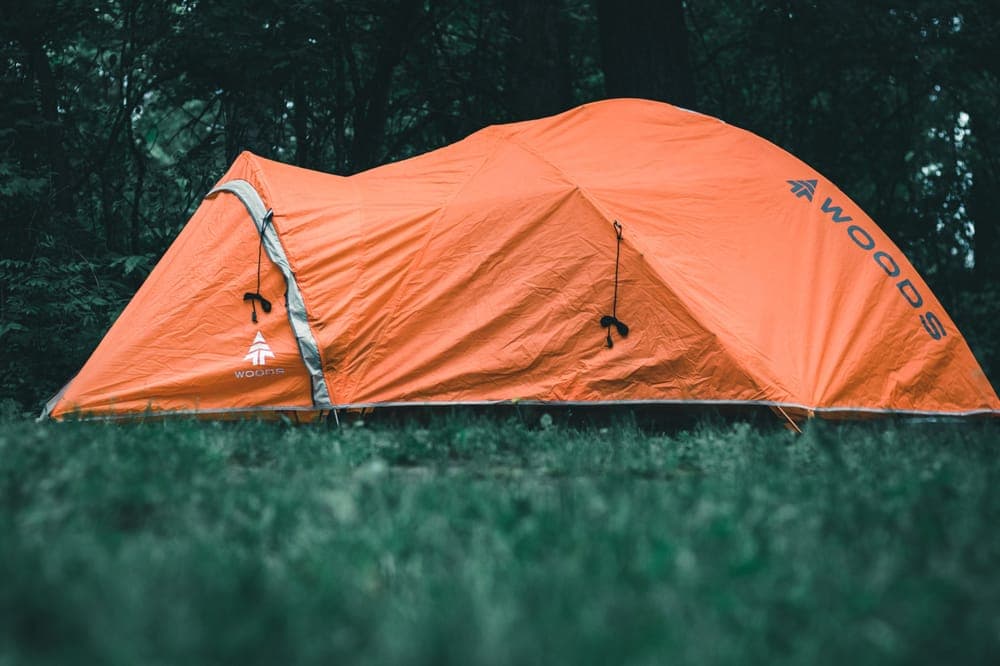
A trekking-pole tent is usually the single biggest gram-per-dollar upgrade available, because a mainstream freestanding tent is built with dedicated poles, a thicker floor fabric and a second full inner wall — three separate weight costs a trekking-pole design removes or reuses. Swap Kelty Late Start 2P — the mainstream, entry-level 2-person tent this site measures against — for the 3F UL Gear Lanshan 2, and you saves 840 g (1 lb 13.6 oz) vs the Kelty Late Start 2P, for a value figure of Value 7.7/10. That's because the reference tent carries a heavier pole set and a thicker floor fabric built for a low shelf price, not a low pack weight. See the full field in best budget backpacking tents, and if you're not ready to give up a freestanding pitch, start with best ultralight tents under $200 instead.
2. Sleep system
Next: the quilt or bag, then the pad. A quilt drops the zipper, hood and underside insulation a mummy bag carries — insulation your body weight compresses flat against the pad anyway, so it does little there. See the full field in best budget backpacking quilts, and read quilt vs sleeping bag if the format itself is the question. If you're not ready to give up a full-zip bag, a synthetic-to-down swap at the same temperature rating is a smaller but still real step — see down vs synthetic insulation for the trade in warmth per gram versus performance when wet.
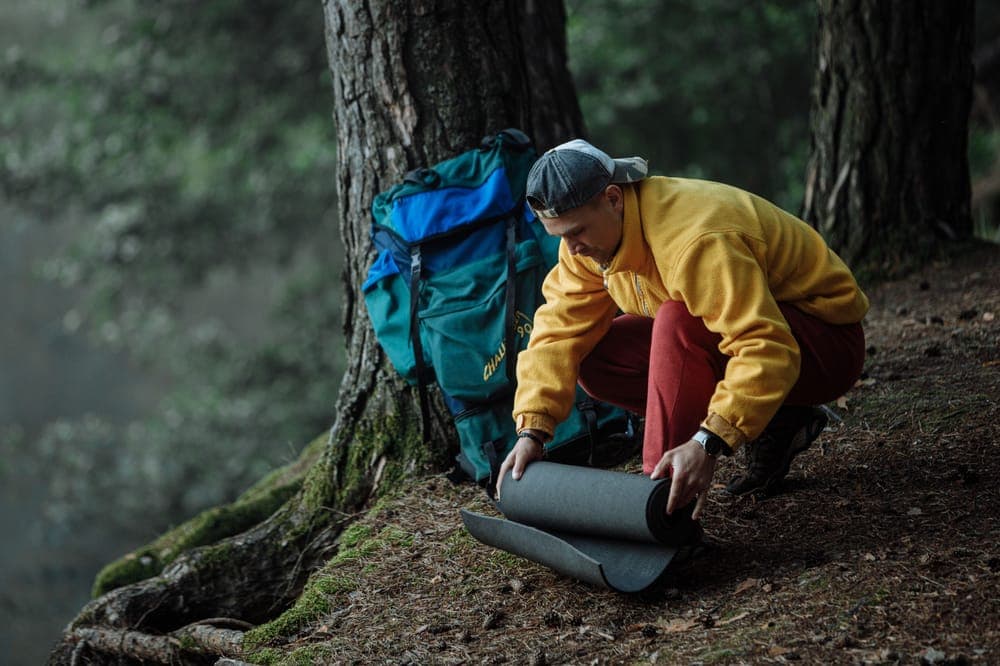
For the pad, a closed-cell foam pad is the cheapest gram-per-dollar swap in the whole catalog. The Therm-a-Rest RidgeRest Classic saves 280 g (9.9 oz) vs the Therm-a-Rest Trail Scout (Regular) against Therm-a-Rest Trail Scout (Regular) for a value figure of Value 10.0/10 — the best of any pad this site ranks. The trade is packed size and comfort: it straps outside your pack instead of compressing small, and it's noticeably thinner than an air pad. See every pad, foam and air, in best budget sleeping pads, and foam vs inflatable sleeping pads for the full trade-off.
3. Pack
Pack weight comes third on purpose: a lighter pack only pays off once everything going inside it is already lighter, because a frameless pack's load rating depends on what you're asking it to carry. The 3F UL Gear QiDian 40+16 saves 828 g (1 lb 13.2 oz) vs the Osprey Rook 65 against Osprey Rook 65, for a value figure of Value 10.0/10, but it's rated to carry 12 kg by 3F UL Gear's own spec — plenty once your shelter and sleep system are down, tight if they aren't. Read frameless vs framed backpacks before you buy one ahead of the rest of your kit. If you're not ready to give up a frame, the Kelty Asher 55 saves 258 g (9.1 oz) vs the Osprey Rook 65 against Osprey Rook 65 while keeping a suspended hip belt — a smaller but real cut, and the safer order if the rest of your kit isn't light yet.
4. Small, cheap wins
After the big three, the remaining categories are individually small but collectively real, and most of them cost little to swap. Buy them in any order you like — unlike the big three, there's no strict sequence here, since none of them depends on another being finished first:
- Stove: the BRS-3000T weighs 48 g (1.7 oz) less than a mainstream canister stove for a fraction of the price — see best budget backpacking stoves.
- Pot: the TOAKS 550ml titanium pot saves 128 g (4.5 oz) vs the MSR Trail Lite 1.3 L Pot against MSR Trail Lite 1.3 L Pot, for the best value figure of any pot this site ranks — see best titanium backpacking pots.
- Water filter: the Sawyer Mini saves 253 g (8.9 oz) vs the Katadyn Hiker against Katadyn Hiker, for a value figure of Value 8.7/10 — the best of any filter here. See best backpacking water filters.
- Headlamp: the Nitecore NU25 MCT UL saves 39 g (1.4 oz) vs the Black Diamond Spot 400 against a mainstream AAA headlamp — 39 g (1.4 oz) lighter, with a value figure of Value 8.8/10. There's no dedicated headlamp roundup; the pick lives on the ultralight backpacking gear list.
- Rain jacket: the Frogg Toggs Ultra-Lite2 saves 56 g (2.0 oz) vs the Marmot Men's PreCip Eco Rain Jacket against Marmot Men's PreCip Eco Rain Jacket, for a value figure of Value 8.0/10 — see best budget rain jackets.
- Trekking poles: not base weight if carried in hand, but the Cascade Mountain Tech Aluminum Quick Lock pair still no lighter than the LEKI Journey Lite against LEKI Journey Lite if you pack them for any stretch — see best budget trekking poles.
None of these move the needle the way a tent or a quilt does on their own. Stacked together, they still add up to real grams for not much money — worth doing once the big three are handled, not before.
Where the returns diminish
Every category on this page eventually hits a point where more money buys less weight. The shelter category shows it clearly: the Lanshan 2 above is a big jump from a mainstream freestanding tent, but stepping up again to the Durston X-Mid 2 costs a higher MSRP band for a comparatively small additional weight cut — see Lanshan 2 vs Durston X-Mid 2 for the full numbers, and big three backpacking gear for the same curve applied to quilts and packs. Knowing where that curve bends is more useful than chasing the single lightest item in every category — it tells you when to stop spending in one place and move to the next.
How fast to do this
There's no penalty for spreading this order across more than one season. A common, realistic pace: shelter in year one (the biggest single swap), quilt and pad in year two, pack and the small stuff in year three, paid for partly by selling the gear each step replaces. Compressing all three years into one trip to the checkout works too — the $500 build is exactly that, priced out in one place. Either way, the order stays the same; only the calendar changes. If a trip is coming up before your budget catches up to your ideal kit, borrow or rent the category you haven't upgraded yet rather than skipping it — a heavier tent for one trip is a smaller cost than missing the trip.
What not to cut
Our picks for this
The upgrade order, as products
Shelter first, then the pad, then the pack, then the small stuff — the same order as the sections above, in one place.

Budget double-wall trekking-pole tent for 2
3F UL Gear Lanshan 2
1,060 g (2 lb 5.4 oz)$150–$200 band7.0 / 10Usually the single biggest gram-per-dollar upgrade available to a traditional backpacker.
Check price · Amazon#ad · Price set by Amazon · Affiliate disclosure for the link to 3F UL Gear Lanshan 2
Cheapest way to cut pad weight
Therm-a-Rest RidgeRest Classic (Regular)
400 g (14.1 oz)$25–$50 band7.5 / 10The best value figure of any sleeping pad this site ranks.
Check price · Amazon#ad · Price set by Amazon · Affiliate disclosure for the link to Therm-a-Rest RidgeRest Classic (Regular)
Cheapest sub-kilo frameless pack
3F UL Gear QiDian 40+16
850 g (1 lb 14.0 oz)$50–$100 band7.0 / 10Only worth buying once the rest of your base weight already supports it.
Check price · Amazon#ad · Price set by Amazon · Affiliate disclosure for the link to 3F UL Gear QiDian 40+16
Best budget backup filter
Sawyer Mini (SP128)
57 g (2.0 oz)$25–$50 band7.8 / 10A cheap, small win once the big three are done.
Check price · Amazon#ad · Price set by Amazon · Affiliate disclosure for the link to Sawyer Mini (SP128)
Photos are illustrative, not the product. Scores are spec-derived.
What it costs
You don't have to price this out category by category. This site builds the same upgrade order into three complete kits: the $500 build, the $1,000 build and the $2,000 build — each one shows what the next tier of spending buys you in grams, itemized slot by slot. If you'd rather start with a single category, best ultralight tents under $200 is a common first move for someone carrying a heavier, older tent.
A practical way to fund the order above without spending more than you have to: sell the gear you replace instead of storing it. A used, working tent or sleeping bag still has resale value, even a mainstream entry-level one, and that money offsets a real share of the next category's cost. Selling your old gear also removes the temptation to keep both "just in case," which is how a closet ends up with two complete kits instead of one lighter one.
For the definition this whole order is built on, and the usual traditional/lightweight/ultralight thresholds, see what is base weight. And for why shelter, sleep system and pack come first specifically, see big three backpacking gear. If you'd rather see every category's value pick in one list instead of an upgrade order, the ultralight backpacking gear list lays them out side by side.
How we scored this
Units we claim to have tested: 0
Most gear sites say they tested everything. We didn't, and we say so. What we did instead: took every weight and list price from the maker's own page, measured each product against a named mainstream reference, and computed grams saved per dollar. Every number links to where it came from.
The score is spec-derived: value and weight are computed from those numbers, and the rest are judgments from published specs, not test results. Commissions never set a score or decide a pick. The formula, weights and references are published.
Questions
Frequently asked
How do I reduce my base weight?
What's the cheapest way to lower base weight?
Should I upgrade my tent or my sleeping bag first?
Is it worth buying the lightest possible version of every item?
How much does it cost to go ultralight?
Do I need to replace everything at once?
What should I do with my old gear after I upgrade?
Receipts
Sources
- 3F UL Gear: Lanshan 2 product page (checked 2026-09-22)
- Therm-a-Rest (Cascade Designs): RidgeRest Classic product page (checked 2026-09-22)
- 3F UL Gear: QiDian 40+16 product page (checked 2026-09-22)
- Sawyer: Mini Water Filtration System product page (checked 2026-09-22)
- BRS: BRS-3000T product page (checked 2026-09-22)
- TOAKS: 550ml Titanium Pot (POT-550-L) product page (checked 2026-09-22)
- MSR (Cascade Designs): PocketRocket 2 Stove product page (checked 2026-09-22)
- Nitecore: NU25 MCT UL user manual PDF (checked 2026-09-22)
- Black Diamond: Spot 400 Headlamp product page (checked 2026-09-22)
- Frogg Toggs: Ultra-Lite2 Rain Jacket product page (checked 2026-09-22)
- Cascade Mountain Tech: Aluminum Quick Lock Trekking Poles product page (checked 2026-09-22)
- Durston Gear: X-Mid 2 product page (checked 2026-09-22)
- Kelty: Asher 55 product page (checked 2026-09-22)
We haven't tested the gear on this page and we don't pretend to. Weights, list prices and specs come from each maker's own pages (linked on every product), and performance figures such as boil times or flow rates are the maker's claims, labeled that way. Amazon sets its own prices and changes them often, so buy buttons link to the live listing. Where a figure isn't published, we say so. Read the full method.