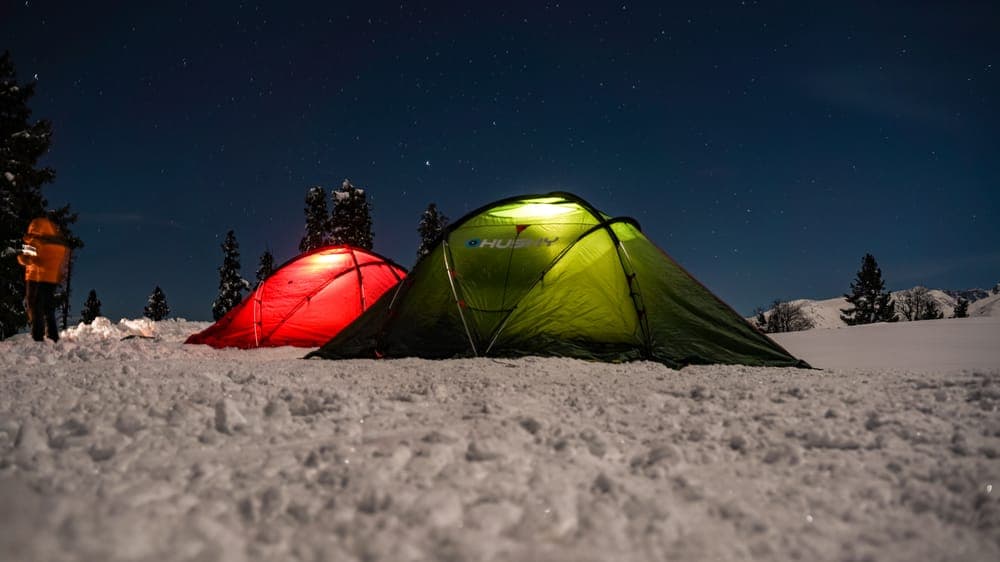
The contenders
Side by side
 Illustrative photo
Same-brand quilt, 15°F class
Paria Thermodown 15 Down Quilt
6.0 / 10800-fill down, a cinchable footbox and a pad-strap system. Lighter than Paria's own 15°F bag, at a slightly higher list price.
Check price · Amazon#ad · Price set by Amazon · Affiliate disclosure for the link to Paria Thermodown 15 Down Quilt
 Illustrative photo
Same-brand bag, 15°F class
Paria Thermodown 15 Sleeping Bag
4.2 / 10700-fill down in a full mummy with a two-way zipper and hood. Heavier than Paria's own 15°F quilt, and a little cheaper.
Check price · Amazon#ad · Price set by Amazon · Affiliate disclosure for the link to Paria Thermodown 15 Sleeping Bag
- Illustrative photo
Cottage quilt, 20°F class
Enlightened Equipment Revelation 20 (Regular/Regular)
7.2 / 10The cottage-quilt benchmark: light, but sold direct and priced well above the budget bag it's compared with here.
See it at Enlightened EquipmentSold direct by the maker, not on Amazon. Plain link: we don't earn on it.
- Illustrative photo
Budget bag, 20°F class
Kelty Cosmic Down 20 Sleeping Bag
4.0 / 10A mainstream full-zip 20°F down bag at a fraction of the Revelation's list price, for a real weight penalty.
Check price · Amazon#ad · Price set by Amazon · Affiliate disclosure for the link to Kelty Cosmic Down 20 Sleeping Bag
Every ounce a sleeping bag carries around your legs, hips and back is insulation your own weight has already flattened before you fall asleep. Quilt makers build around that: no zipper, no hood, no fabric wrapped underneath you, just a blanket that straps to your pad. That is the whole pitch, and it is honest as far as it goes. What it leaves out is what happens when the strap slips, the temperature drops, or you are the kind of sleeper who never stays in one position long enough for a strap to matter.
What a quilt leaves out
A sleeping bag is a closed tube: a zipper up one side, a hood that cinches around your head, and insulation running the full circumference, including underneath you. A quilt is the top half of that tube. Paria's quilt spec describes a “cinchable footbox with draw cords” and a “sleeping pad strap system (one strap plus a spare)” in place of a zipper and a full shell, and Enlightened Equipment's Revelation swaps a full-length zipper for a “20 in zipper plus shock-cord footbox that opens flat” with “two elastic pad straps with clips.” Both open flat as a blanket on a warm night and cinch down for a cold one.
The logic for dropping the underside insulation holds up: down or synthetic fill crushed flat under your body traps very little air, so it is doing less work than the same fill lofted on top of you. A quilt puts that weight where it counts and leaves the ground insulation to your sleeping pad, which is why the pad matters more with a quilt than with a bag. Because a quilt gives you nothing underneath, its warmth depends on the R-value of your pad, not just the quilt's own rating.
The weight and price trade, in two real pairs
Rather than compare a quilt against a bag from different brands with different fill and different ratings, here are two pairs that hold more constant.
Same brand, same 15°F rating. Paria sells a quilt and a mummy bag at the same stated rating, with the same 800/700-fill down family and the same 20D shell fabric. The quilt weighs 936 g (2 lb 1.0 oz); the bag weighs 1,134 g (2 lb 8.0 oz), a difference of 198 g (7.0 oz). At MSRP, the quilt runs a higher MSRP band than the bag. That is the honest version of this trade at a single brand's budget tier: real grams saved, for a small amount of extra money, not less.
Cottage quilt vs. budget bag, both around 20°F. This is the pairing that shows what a cottage-brand quilt actually costs. The Enlightened Equipment Revelation 20 weighs 639 g (1 lb 6.5 oz); the Kelty Cosmic Down 20 weighs 1,106 g (2 lb 7.0 oz), a gap of 467 g (1 lb 0.5 oz). The Revelation asks a higher MSRP band for that difference, and it is sold only direct from the maker, stuffed to order, with no Amazon listing at all. That is the cottage-brand tax the buyer this site is built for is usually trying to avoid: real grams, at a price that buys a lot more than grams.
Put those two pairs together and the pattern is clear: switching from a bag to a quilt at the same rating and the same brand tier costs a little, not a lot. Switching to a lighter cottage quilt from a mainstream budget bag costs a lot. If the grams matter enough to you to pay the cottage price, our best budget backpacking quilts ranking finds the quilts that save close to that much weight without the cottage bill. If they don't, our best budget backpacking sleeping bags ranking does the same job for full bags.
Our own value metric agrees with the sticker price, not against it. The Paria quilt's figure is Value 5.2/10; the Paria bag's is Value 2.5/10. Grams saved per dollar rewards the lighter product for its price, and a quilt that costs a little more but weighs meaningfully less still comes out ahead on that math, even though it isn't the cheaper purchase.
Read across that table and the two pairs tell two different stories. Within Paria's own line, the quilt and bag are close on every column except weight, which is exactly what holding the brand and rating constant is supposed to show. Between the Revelation and the Cosmic Down 20, the gap widens on every column at once: weight, price and score all move together, which is the signature of a genuine premium product rather than a simple design trade-off.
A sizing catch worth knowing before you buy
“Regular” doesn't mean the same thing on a quilt and a bag from the same maker. Paria sizes its Thermodown 15 quilt Regular “up to 5'10”,” while the Thermodown 15 bag's Regular is “sized up to 6 ft” and comes in three lengths (Short to 5'6”, Regular to 6 ft, Long beyond that). A 5'11” buyer who orders the Regular quilt without checking will be short-changed on length in a way the same-brand bag wouldn't short them. Enlightened Equipment avoids the problem by selling the Revelation in Short/Regular, Regular/Regular, Regular/Wide and Long/Wide as stock combinations, with more available custom, and Kelty offers the Cosmic Down 20 in Short, Regular and Long the same way its Thermodown-style competitors do. Whichever side of this comparison you land on, read the specific size chart, not just the model name.
Packed size tracks weight closely rather than design: the Paria quilt packs to 9 x 6 in against the Paria bag's 10 x 6 in, a small gap that mirrors their small weight gap. The bigger packed-size jump is between brands and fill tiers, not between a quilt and a bag at the same tier, which is one more reason the same-brand comparison above is the fairer one to trust.
Where the warmth actually goes
A bag's hood and full-length zipper are not decoration. Kelty's Cosmic Down 20 lists a “quad-stitch anti-snag zipper, dual locking sliders, full draft tube and collar” sealing the one gap a bag has. A quilt has more gaps by design: no hood at all, and open sides held closed only by however well the pad straps are set. Paria and Enlightened Equipment both build in a mitigation, a cinchable footbox plus one or two pad straps, but a strap can still slip in the night, and a quilt never closes at the shoulders the way a hood and zipper do. Paria even ships a spare strap alongside the primary one, which is a quiet admission that a single strap is a single point of failure on a long trip.
None of the four products compared here carry an independent ISO/EN lab rating. Paria states plainly that its temperature figures come from “lofts to about 3 inches when laid flat, which translates to a temperature rating of around 10 - 15 degrees Fahrenheit,” not a test standard (Paria FAQ), and neither Kelty's nor Enlightened Equipment's product pages name a test standard for their figures either. That is common at this end of the market, and it is worth knowing before you compare a “15°F” quilt against a “15°F” bag as if the two numbers were measured the same way. Our sleeping bag temperature ratings guide goes through what is and isn't lab-tested across every quilt and bag we track.
Who a quilt actually suits
- Warm sleepers. If you regularly unzip a mummy bag halfway through the night to vent heat, a quilt that opens flat solves the same problem by design instead of by fighting a zipper in your sleep.
- Side and back sleepers who stay roughly on their pad. A quilt's draft control depends on the pad strap staying where you left it, which is easiest for sleepers who don't travel far from where they started the night.
- Anyone with a pad they already trust. If your pad's R-value already matches the season, you're not asking the quilt to make up for insulation it was never built to carry.
- Backpackers chasing base weight. If grams matter enough that you're willing to learn and trust a strap system every night, the weight side of the math above is real and repeatable.
- Three-season trips, not winter ones. Every quilt in this comparison is a spring-through-fall product; none of them is built or rated for a hard freeze.
Who should stay with a full bag
The switch to a quilt is not for everyone, and the math above shows exactly why it isn't automatically the budget move it sounds like.
- Cold sleepers. A bag's hood and full zipper seal the gaps a quilt leaves open. If you run cold or camp near freezing, that sealed system is worth more than the grams a quilt saves.
- Restless sleepers. A quilt's warmth depends on staying roughly centered on your pad. If you roll a lot, the draft gaps a quilt is designed around get wider, not narrower.
- Anyone who wants one system that just works. A bag zips shut and stays shut. A quilt asks you to set a pad strap correctly every night, and to trust it in the cold.
- Budget buyers comparing within the same brand tier. As the Paria pair shows, a same-rating quilt can cost a little more than the equivalent bag, not less. If the goal is spending less money, not shedding grams, a bag can be the cheaper buy outright.
- Anyone without a warm-enough pad. A quilt has nothing under you. If your pad's R-value is marginal for the season, a bag's underside insulation is a second line of defense a quilt doesn't have.
- Anyone buying on a deadline. The Revelation is stuffed to order: Enlightened Equipment lists a lead time of “approximately 7 business days” before it even ships. A cottage quilt isn't a same-week fix for a trip that's already booked.
If I were kitting out a first three-season backpacking setup on a budget and knew I slept cold, I'd start with a full bag like the Kelty Cosmic Synthetic 20 class and only look at a quilt once I knew how I actually slept outside. The reference bag for a cold-rated sleep system on this site weighs 1,276 g (2 lb 13.0 oz), which is the number every pick above is measured against.
Whichever side you land on, see the full rankings for best budget backpacking quilts and best budget backpacking sleeping bags, and read how we rank every pick on grams saved per dollar before you buy.
In detail
The contenders, in full
Illustrative photoSame-brand quilt, 15°F class
Paria Thermodown 15 Down Quilt
800-fill down, a cinchable footbox and a pad-strap system. Lighter than Paria's own 15°F bag, at a slightly higher list price.
Published specsFrom the maker · not tested by us
| Weight | 936 g (2 lb 1.0 oz) (listed weight, Regular, without compression sack (33 oz, converted)) |
|---|---|
| List price | $200–$300 MSRP band (per pariaoutdoorproducts.com, checked Sep 2026) |
| Value | Value 5.2/10vs the reference Kelty Cosmic Synthetic 20 at 1,276 g (2 lb 13.0 oz) |
| Temperature rating | 15°F (Paria rating from measured loft of about 3 in; Paria states it does not have EN/ISO testing)As stated |
| Fill | RDS-certified 800 fill-power duck down, 20 oz fill (Regular) |
| Shell / lining | 20D ripstop nylon shell and lining, PFC-free DWR |
| Size (Regular) | 78 in long, 58 in wide tapering to 42 in at the feet; Regular is sized up to 5'10" |
| Footbox / attachment | Cinchable footbox with draw cords; sleeping pad strap system (one strap plus a spare) |
| Packed size | 9 x 6 in; compression sack adds 1.9 oz |
| Warranty | Limited lifetime warranty against manufacturer defects |
How the 6.0 score breaks down
- Grams per dollar (35%, computed)
- 5.2
- Weight (20%, computed)
- 4.7
- Warmth for the weight (25%)
- 7.5
- Materials & durability (10%)
- 7.0
- Ease & versatility (10%)
- 7.0
What the specs support
- 800-fill RDS-certified down at a lower list price than any other cold-rated quilt here except the 650-fill Zenbivy Core
- Opens flat as a blanket on warm nights and cinches closed at the foot when it turns cold
- 20D shell and lining are twice the denier of the 10D fabrics on the premium quilts here
- Lifetime warranty against manufacturer defects
Where it falls short
- About 300 g heavier than the Enlightened Equipment Revelation 20
- The 15°F figure is Paria's loft-based estimate, not an ISO/EN test
- The Amazon listing text seen on 2026-09-22 still describes the earlier 700-fill version, so confirm the listing specs before buying
Skip it if…
Skip it if you're taller than 5'10": Paria sizes the Regular up to 5'10", and the Long adds 2 oz and a higher price.
#ad · Price set by Amazon · Affiliate disclosure for the link to Paria Thermodown 15 Down Quilt
Illustrative photoSame-brand bag, 15°F class
Paria Thermodown 15 Sleeping Bag
700-fill down in a full mummy with a two-way zipper and hood. Heavier than Paria's own 15°F quilt, and a little cheaper.
Published specsFrom the maker · not tested by us
| Weight | 1,134 g (2 lb 8.0 oz) (listed weight, Regular (2 lb 8 oz, converted)) |
|---|---|
| List price | $150–$200 MSRP band (per pariaoutdoorproducts.com, checked Sep 2026) |
| Value | Value 2.5/10vs the reference Kelty Cosmic Synthetic 20 at 1,276 g (2 lb 13.0 oz) |
| Temperature rating | 15°F (-10°C) (Paria rating; Paria states it does not have EN/ISO testing)As stated |
| Fill | RDS-certified 700 fill-power duck down, 25.8 oz fill (Regular) |
| Shell / lining | 20D ripstop nylon shell and lining, PFC-free DWR |
| Size (Regular) | 82.5 x 31.5 in; Regular is sized up to 6 ft |
| Zipper | Large two-way YKK zipper that opens from top and bottom, wide zipper guard |
| Packed size | 10 x 6 in |
How the 4.2 score breaks down
- Grams per dollar (35%, computed)
- 2.5
- Weight (20%, computed)
- 2.0
- Warmth for the weight (25%)
- 6.5
- Materials & durability (10%)
- 7.0
- Ease & versatility (10%)
- 6.0
What the specs support
- Full-length two-way zipper vents from the top or the bottom
- Three sizes: Short to 5'6", Regular to 6 ft, and Long
- 20D shell and lining, same as Paria's quilts
Where it falls short
- About 200 g heavier than Paria's own Thermodown 15 quilt
- The 15°F rating is Paria's own, not an ISO/EN test
- 700-fill down, a step below the 800-fill Thermodown quilts
Skip it if…
Skip it if you sleep on an insulated pad and don't need a hood: Paria's Thermodown 15 quilt costs a little more but is about 200 g lighter.
#ad · Price set by Amazon · Affiliate disclosure for the link to Paria Thermodown 15 Sleeping Bag
Illustrative photoCottage quilt, 20°F class
Enlightened Equipment Revelation 20 (Regular/Regular)
The cottage-quilt benchmark: light, but sold direct and priced well above the budget bag it's compared with here.
Published specsFrom the maker · not tested by us
| Weight | 639 g (1 lb 6.5 oz) (listed total weight, 20°F, 850 fill, Regular length / Regular width, 10D fabrics (22.54 oz, converted)) |
|---|---|
| List price | $300–$400 MSRP band (per enlightenedequipment.com, checked Sep 2026) |
| Value | Value 5.7/10vs the reference Kelty Cosmic Synthetic 20 at 1,276 g (2 lb 13.0 oz) |
| Temperature rating | 20°F (-6°C) (Enlightened Equipment rating; target loft 2.5 in; no test standard stated)As stated |
| Fill | 850 fill-power gray duck down from an RDS-certified supplier, 16.08 oz fill (Regular/Regular) |
| Fabric | 10D outer fabric and 10D liner (stock colors) |
| Size (Regular/Regular) | 78 in (192 cm) long, 54 in shoulder width, 40 in foot width |
| Footbox / attachment | 20 in zipper plus shock-cord footbox that opens flat; two elastic pad straps with clips |
| Weight tolerance | Maker states down product weights may vary +/- 5% |
| Lead time | Stuff on Demand: ships in approximately 7 business days |
How the 7.2 score breaks down
- Grams per dollar (35%, computed)
- 5.7
- Weight (20%, computed)
- 8.8
- Warmth for the weight (25%)
- 8.5
- Materials & durability (10%)
- 5.0
- Ease & versatility (10%)
- 8.0
What the specs support
- About 300 g lighter than the Paria Thermodown 15
- Opens fully flat on warm nights; the zippered, cinchable footbox closes for cold ones
- The stock quilt comes in Short/Regular, Regular/Regular, Regular/Wide and Long/Wide; more sizes are custom
Where it falls short
- Sold only direct from Enlightened Equipment: no Amazon listing was found, so there is no buy button
- 10D shell and liner need more care than the 20D fabrics on the budget quilts
- Stuffed on demand, so it ships in about 7 business days
Skip it if…
Skip it if you want Amazon shipping and returns: it is sold direct, stuffed to order, and the 20°F regular costs about 1.7 times the Paria Thermodown 15.
Sold direct by the maker, not on Amazon. Plain link: we don't earn on it.
Illustrative photoBudget bag, 20°F class
Kelty Cosmic Down 20 Sleeping Bag
A mainstream full-zip 20°F down bag at a fraction of the Revelation's list price, for a real weight penalty.
Published specsFrom the maker · not tested by us
| Weight | 1,106 g (2 lb 7.0 oz) (listed weight, Regular (2 lb 7 oz, converted)) |
|---|---|
| List price | $150–$200 MSRP band (per kelty.com, checked Sep 2026) |
| Value | Value 3.0/10vs the reference Kelty Cosmic Synthetic 20 at 1,276 g (2 lb 13.0 oz) |
| Temperature rating | 20°F (-7°C) (Kelty rating; no ISO/EN values listed on the product page)As stated |
| Fill | 550 fill down, 16.4 oz (464 g) fill (Regular) |
| Shell / liner | Recycled 20D nylon taffeta shell, recycled 50D polyester taffeta liner, PFAS-free DWR |
| Size (Regular) | 78 in long; 62 in shoulder, 58 in hip, 46 in foot circumference; fits to 6 ft |
| Zipper | Quad-stitch anti-snag zipper, dual locking sliders, full draft tube and collar |
| Stuff sack | 8 x 13 in (Regular), included |
How the 4.0 score breaks down
- Grams per dollar (35%, computed)
- 3.0
- Weight (20%, computed)
- 2.3
- Warmth for the weight (25%)
- 5.0
- Materials & durability (10%)
- 6.0
- Ease & versatility (10%)
- 6.0
What the specs support
- Full zipper, hood and draft collar for sleepers who don't want a quilt
- Three lengths, fitting from 5'6" to 6'6"
- Trapezoidal baffles and an expanded footbox
Where it falls short
- 550-fill down is the lowest fill power in this group
- At 1,106 g (39.0 oz) it is heavier than every quilt here
- 20°F is Kelty's own rating; no ISO figures are listed
Skip it if…
Skip it if weight is why you're shopping: it saves only about 170 g over Kelty's synthetic Cosmic 20, and Paria's Thermodown 15 quilt is about 170 g lighter still.
#ad · Price set by Amazon · Affiliate disclosure for the link to Kelty Cosmic Down 20 Sleeping Bag
How we scored this
Units we claim to have tested: 0
Most gear sites say they tested everything. We didn't, and we say so. What we did instead: took every weight and list price from the maker's own page, measured each product against a named mainstream reference, and computed grams saved per dollar. Every number links to where it came from.
The score is spec-derived: value and weight are computed from those numbers, and the rest are judgments from published specs, not test results. Commissions never set a score or decide a pick. The formula, weights and references are published.
Questions
Frequently asked
Is a quilt warmer than a sleeping bag?
Is a quilt better than a sleeping bag?
Do quilts work with any sleeping pad?
Are backpacking quilts drafty?
Can a beginner use a quilt for backpacking?
Is a quilt cheaper than a sleeping bag?
Does a quilt fit the same size person as the matching bag?
Receipts
Sources
- Paria Outdoor Products: Thermodown 15 Down Quilt product page (checked 2026-09-22)
- Paria Outdoor Products: Thermodown 15 Sleeping Bag product page (checked 2026-09-22)
- Paria Outdoor Products: Gear FAQ, Temperature Ratings (checked 2026-09-22)
- Enlightened Equipment: Revelation Sleeping Quilt product page (checked 2026-09-22)
- Kelty: Cosmic Down 20 Sleeping Bag product page (checked 2026-09-22)
We haven't tested the gear on this page and we don't pretend to. Weights, list prices and specs come from each maker's own pages (linked on every product), and performance figures such as boil times or flow rates are the maker's claims, labeled that way. Amazon sets its own prices and changes them often, so buy buttons link to the live listing. Where a figure isn't published, we say so. Read the full method.