The kit
Every item, every gram
- Base weight
- 3,133 g (6 lb 14.5 oz)
- List-price total
- Fits the $1,000 budget (MSRP basis)
- Items
- 10
| Slot | Pick | Weight | List price | Buy |
|---|---|---|---|---|
| Shelter | 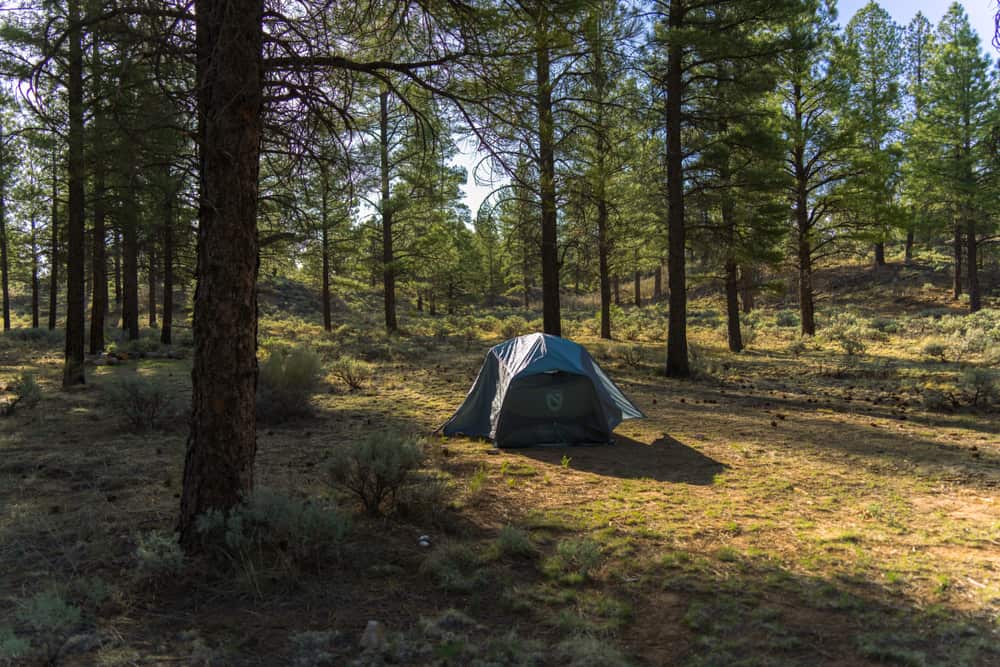 3F UL Gear Lanshan 1 Pro The lightest non-Dyneema solo shelter tracked: a single-wall pyramid that trades a factory-taped seam for real weight. Where it's ranked → | 690 g (1 lb 8.3 oz) | $150–$200 band | |
| Trekking polesCarried, not in base weight | 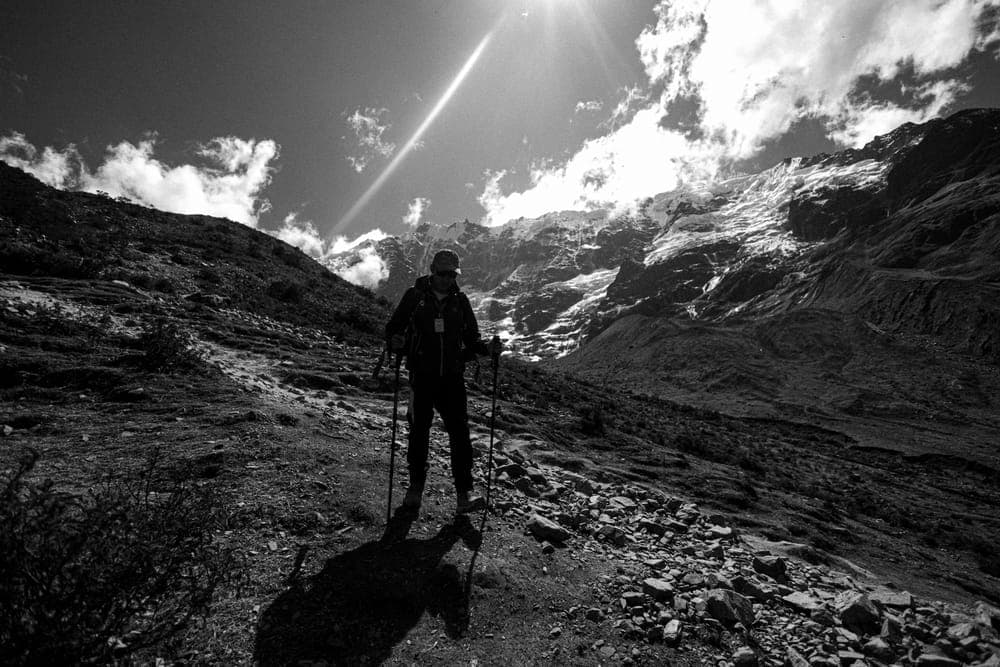 Cascade Mountain Tech Carbon Fiber Quick Lock Trekking Poles (Cork Grip) A carbon pair to pitch the tent above; carried in hand, not packed, so it sits outside the base-weight total. Where it's ranked → | 459 g (1 lb 0.2 oz) | $50–$100 band | |
| Sleep insulation | 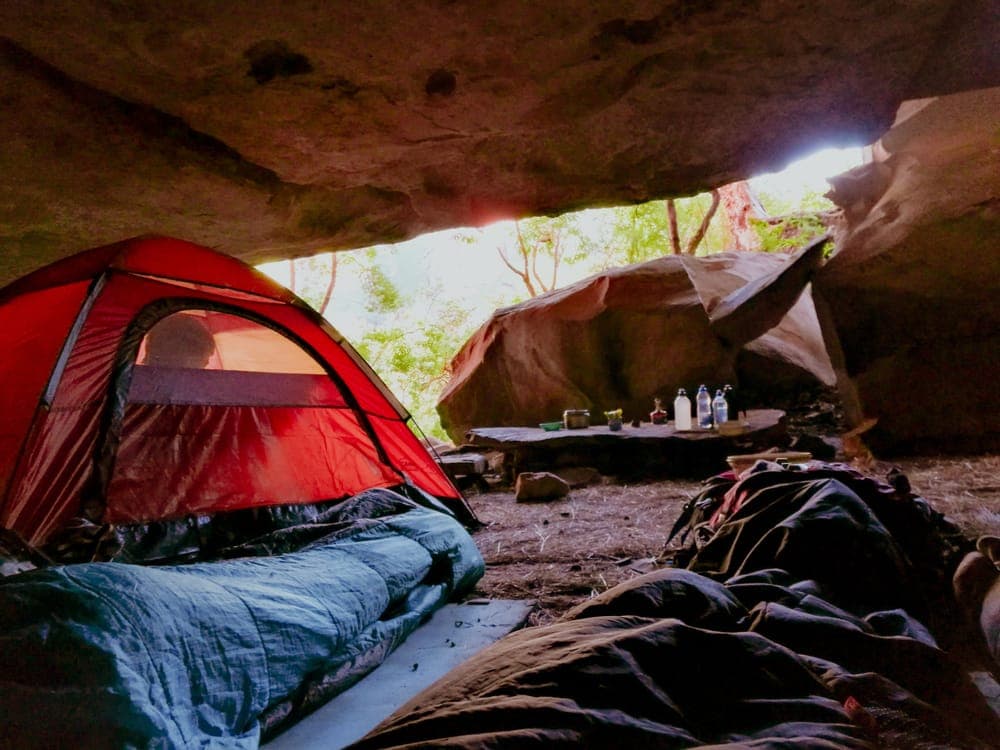 Zenbivy Core Quilt 25°F Down A 25°F quilt for less than the $500 build's 30°F quilt, and noticeably lighter — the single best upgrade in this kit. Where it's ranked → | 737 g (1 lb 10.0 oz) | $200–$300 band | |
| Sleeping pad | 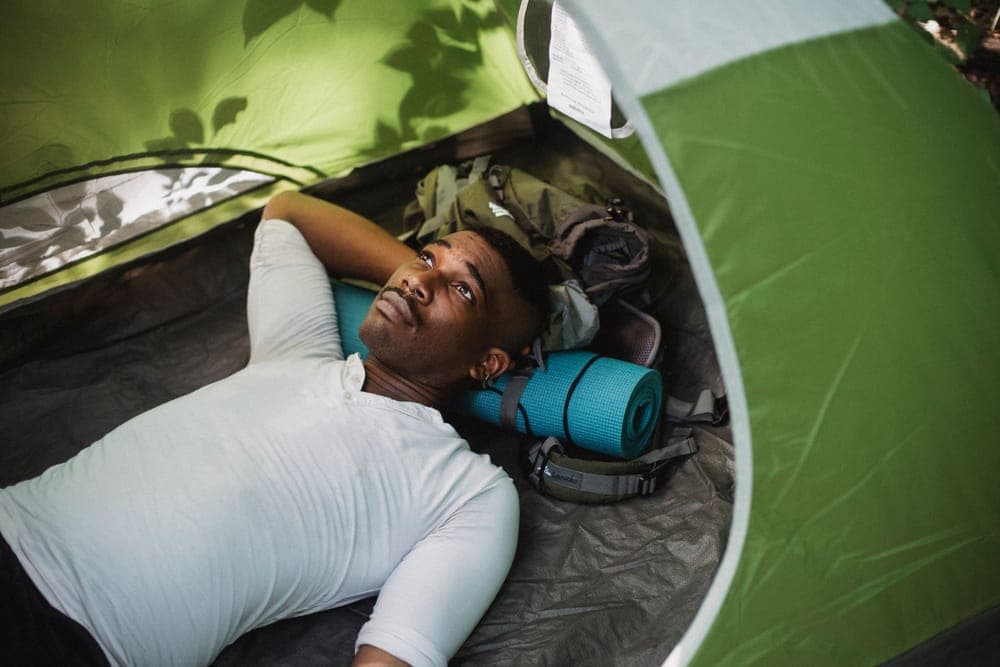 Sea to Summit Ultralight XR Insulated (Regular) An insulated air pad with a real R-value for cool nights, at roughly three-quarters of the top ultralight pad's list price. Where it's ranked → | 415 g (14.6 oz) | $100–$150 band | |
| Pack | 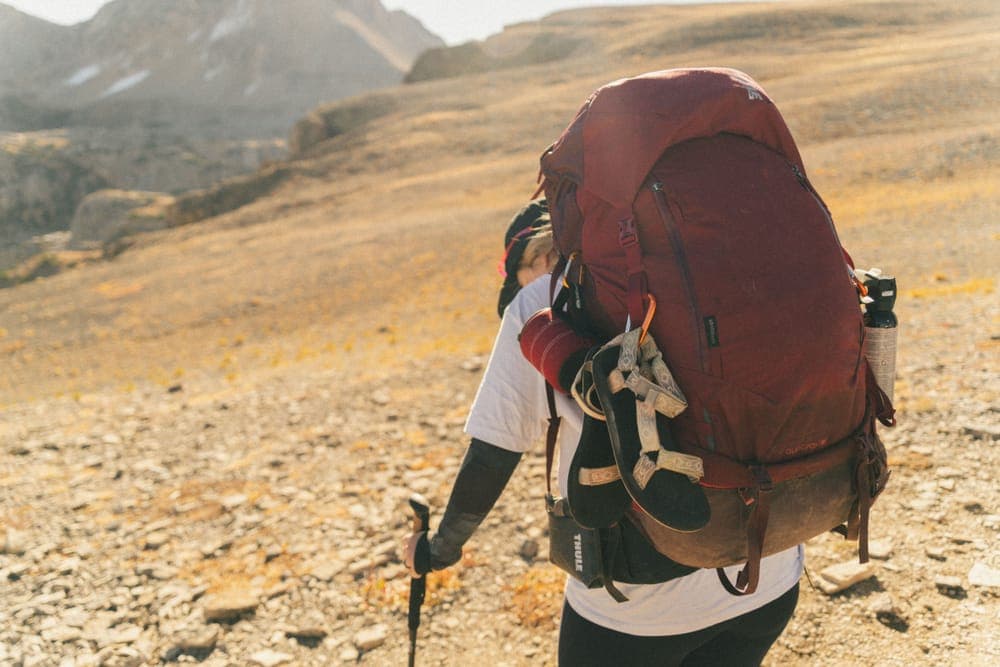 Granite Gear Virga3 55 The lightest pack tracked with genuine torso sizing, for a real load-rating step up from the $500 build's frameless pack. Where it's ranked → | 762 g (1 lb 10.9 oz) | $150–$200 band | |
| Stove | 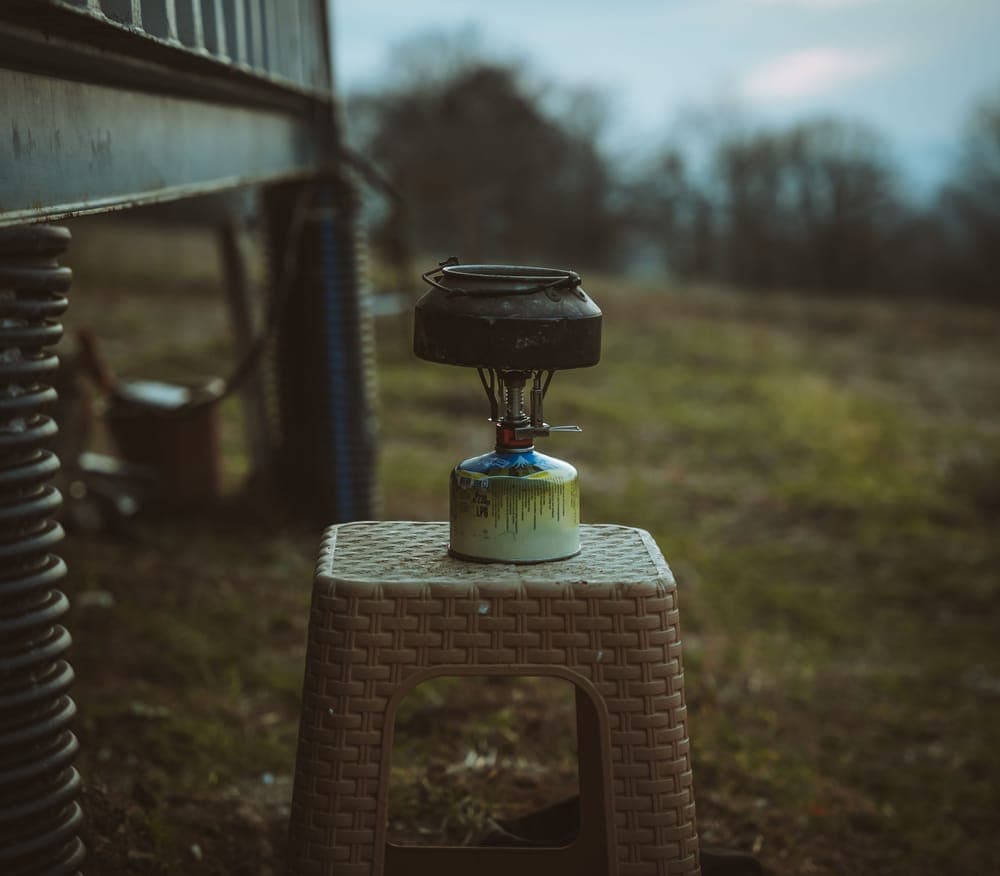 Fire Maple FMS-300T Unchanged from the $500 build — already among the lightest, cheapest stoves tracked, so more money buys nothing here. Where it's ranked → | 45 g (1.6 oz) | $25–$50 band | |
| Pot | 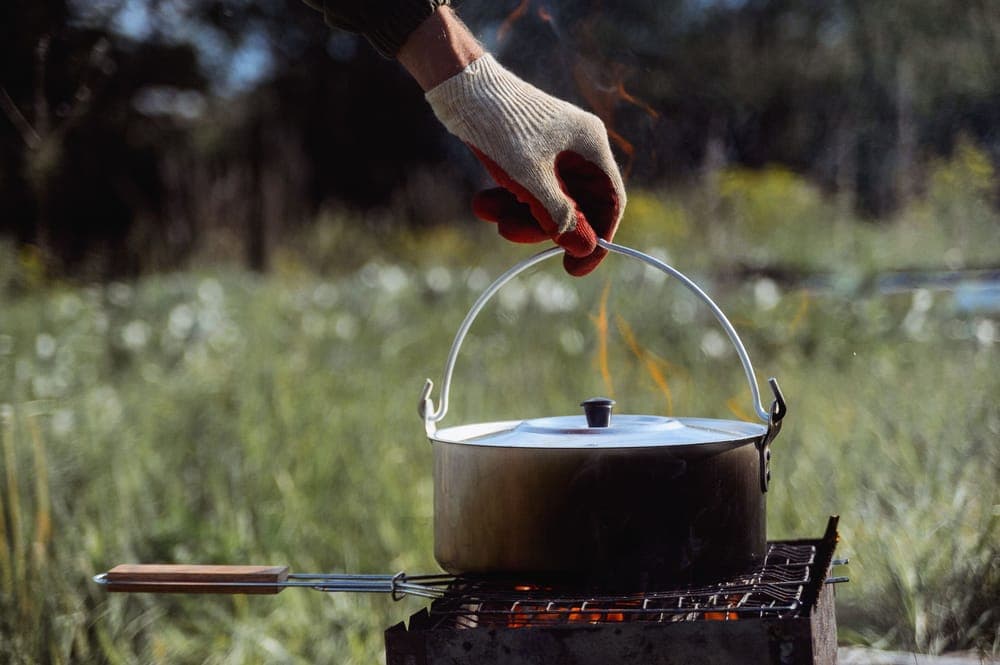 TOAKS Titanium 750ml Pot (POT-750) Unchanged from the $500 build for the same reason: it already ties for the best titanium pot on the list. Where it's ranked → | 103 g (3.6 oz) | $25–$50 band | |
| Water filter | 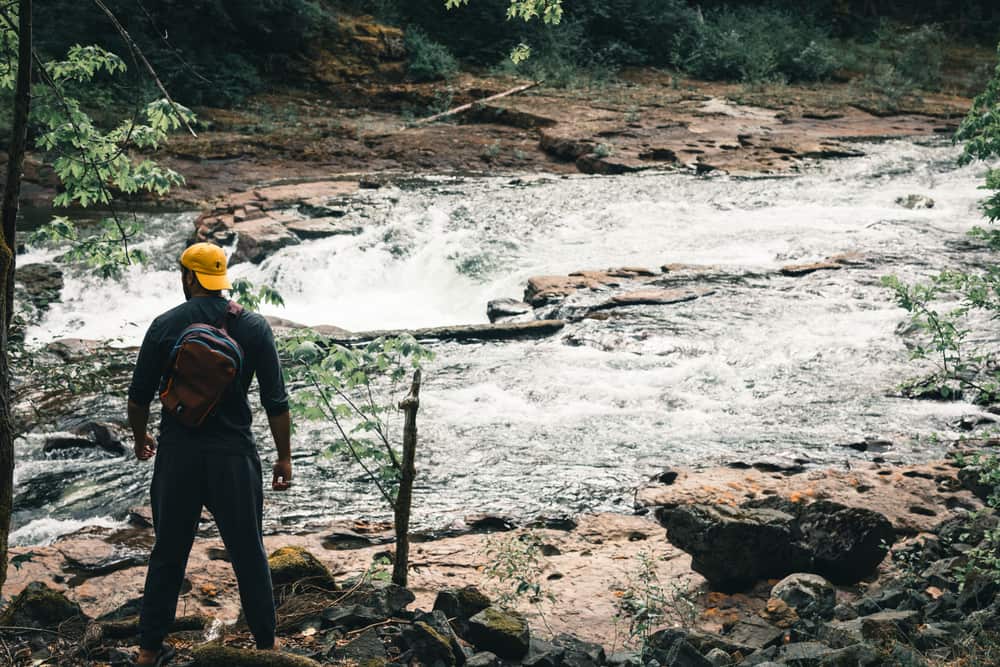 Sawyer Squeeze (SP129) Sawyer's fastest-flowing pocket filter, a step up from the $500 build's Mini, for a modest jump in list price. Where it's ranked → | 85 g (3.0 oz) | $25–$50 band | |
| Headlamp | 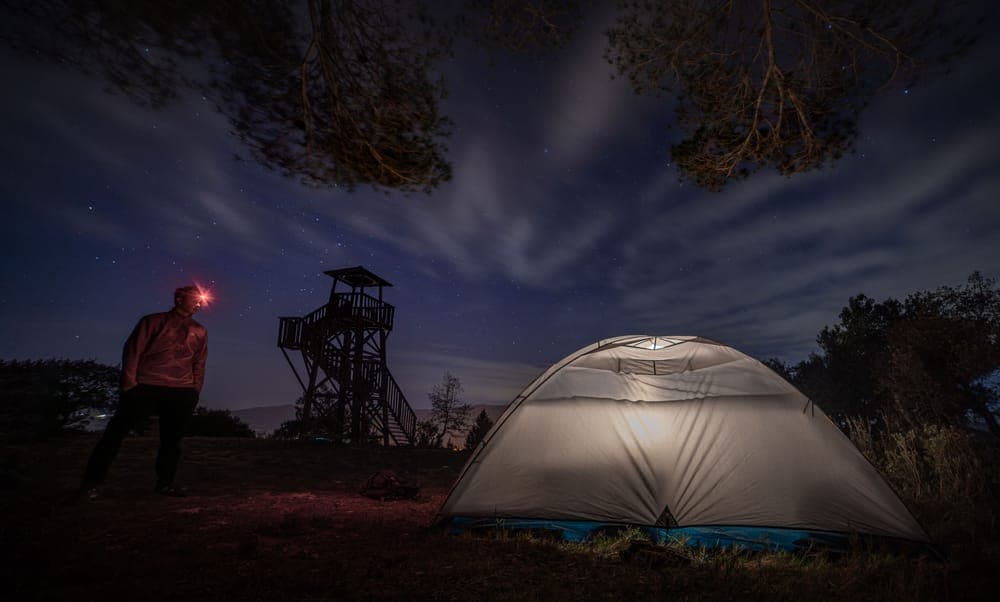 Nitecore NU25 MCT UL The best ultralight headlamp tracked: lighter than the $500 build's AAA lamp and with a red mode, for a small step up in price. Where it's ranked → | 47 g (1.7 oz) | $25–$50 band | |
| Rain protection | 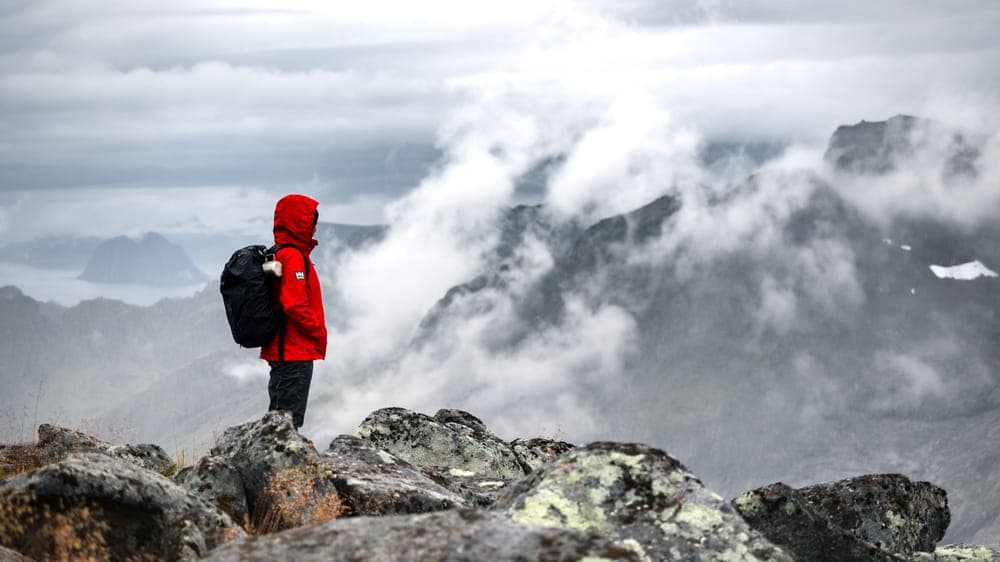 Frogg Toggs Ultra-Lite2 Rain Jacket (men's) A real rain jacket with a storm flap and adjustable hood, still lighter than the mainstream reference jacket. Where it's ranked → | 249 g (8.8 oz) | $25–$50 band | |
| Totals | Base weight counts everything packed; 459 g (1 lb 0.2 oz) of carried items is listed separately. | 3,133 g (6 lb 14.5 oz) | Within budget | #ad · Disclosure |
Weights and list prices are the makers' own published figures (each linked on the product's card and ranking page). The total uses list prices, not Amazon's, which change daily: check each listing. Photos are illustrative.
This build keeps the same nine functions as the $500 build — shelter, sleep insulation, pad, pack, stove, pot, filter, headlamp, rain layer — plus trekking poles, because this tier's shelter needs one to pitch. Four slots change outright, two step up modestly, and three hold steady because they already scored near the top of their category regardless of price. Every number below comes from the registry behind our published methodology, never typed by hand.
The total stays comfortably under the $1,000 ceiling. That headroom is smaller than the $500 build's, because this tier spends deliberately on the two slots where money buys the most weight: the shelter and the sleep system.
As with every tier here, every weight and price figure renders straight from the same registry behind the rest of the site, compared against one named, currently-sold reference product per category rather than a worst-case straw man. That's also why the two builds either side of this one are worth reading alongside it: the comparisons in the sections below only make sense next to what they're being compared against.
How this kit is built
Same rule as every tier here: rank the field by grams saved per dollar, then pick the item that earns its slot honestly, not just the lightest thing money can buy. At $1,000 that rule starts pointing at trekking-pole shelters and colder-rated quilts, both of which need real cash to get meaningfully lighter than their $500-tier equivalents.
The shelter and poles
The 3F UL Gear Lanshan 1 Pro is a single-wall pyramid, the lightest non-Dyneema solo shelter we track, at 690 g (1 lb 8.3 oz). Compared with the $500 build's Clostnature Crux 1-Person Tent, it's 660 g (1 lb 7.3 oz) lighter, for a higher MSRP band. The trade: 3F ships it without factory-sealed seams, so you seal them yourself before the first trip, and it needs one trekking pole to stand.
That's what the Cascade Mountain Tech Carbon Fiber Quick Lock Trekking Poles (Cork Grip) are for: 459 g (1 lb 0.2 oz) per pair, carried in hand rather than packed, so they don't count toward the base-weight total above even though they're part of the list price. If you already own poles for hiking, this entire line disappears from the kit's cost. Full field at best budget trekking poles.
A step further up, the Durston X-Mid 1 adds a second door and vestibule and factory waterproofed seams, for a higher MSRP band more — money spent on livability, not weight; by the numbers it's not actually lighter than this tier's pick. The same trade-off, one size up, is covered in Lanshan 2 vs Durston X-Mid 2.
Seam-sealing a pyramid tent is a one-time job, not a recurring one: a bead of silicone sealant thinned with mineral spirits along the factory stitch lines, left to cure overnight before the first trip. It's the real cost of the weight this tent saves over a factory-taped design, paid once in an evening rather than every season. The single door and vestibule also mean gear management is a one-person job — there's no second entrance to climb over a partner for, because there's no partner in a solo shelter to climb over.
The sleep system
The Zenbivy Core Quilt 25°F Down is rated to 25°F by the maker, five degrees colder than the $500 build's Paria Thermodown 30 Down Quilt, and it's also 28 g (1.0 oz) lighter, for a higher MSRP band more. That single swap is the single best upgrade anywhere in this build: a colder rating and real grams, in one line item. It saves 539 g (1 lb 3.0 oz) vs the Kelty Cosmic Synthetic 20, with a value figure of Value 8.6/10. Full field at best budget backpacking quilts.
Go colder still and the Therm-a-Rest Vesper 20F/-6C Down Quilt is EN-lab-tested rather than the maker's own loft estimate, and 187 g (6.6 oz) lighter, for a higher MSRP band more — the pick in the $2,000 build.
This quilt is built to clip to a Zenbivy sheet, sold separately, rather than the universal pad-strap system most budget quilts use. Budget for the sheet at the same time as the quilt, not as an afterthought once you're already packing for a trip — without one, the box only contains the quilt itself and a mesh storage sack, with no way to keep it centered over the pad through the night.
Its 650-fill down is actually a lower fill power than the $500 build's 800-fill quilt, and Zenbivy states it carries no water-resistant treatment. The colder rating and lower weight come from more total fill by weight and a tighter-cut shell, not from higher-quality down — worth knowing if you were assuming “colder-rated and lighter” always means “better down” too. It doesn't, and this page won't pretend it does.
Under it, the Sea to Summit Ultralight XR Insulated (Regular) is an insulated air pad, a real step up from the Therm-a-Rest RidgeRest Classic (Regular) foam pad in the $500 build: it saves 265 g (9.3 oz) vs the Therm-a-Rest Trail Scout (Regular) and adds real warmth and cushion the foam pad can't match, for a higher MSRP band more. The Therm-a-Rest NeoAir XLite NXT (Regular) is warmer and 45 g (1.6 oz) lighter for a higher MSRP band more — the pick one tier up. Full field at best budget sleeping pads.
The pack
The Granite Gear Virga3 55 is the lightest pack we track with genuine torso sizing, at 762 g (1 lb 10.9 oz) — actually 88 g (3.1 oz) lighter than the $500 build's frameless 3F UL Gear QiDian 40+16, for a higher MSRP band more. What that extra money buys isn't just weight: an adjustable torso in two lengths and two hipbelt sizes, against no sizing at all on the cheaper pack. It saves 916 g (2 lb 0.3 oz) vs the Osprey Rook 65. Full field at best budget ultralight backpacks.
The Durston Kakwa 55 carries more comfortably under a heavier food-and-water load — Durston rates it to a much higher max load than this pack — for a higher MSRP band more, and it's the pick in the top-tier build.
Granite Gear's own guidance for a frameless pack like this one is the same as for the $500 build's pack: let a well-organized load do the work a frame usually does, with the sleeping pad against your back for structure. The real gain here over the cheaper pack isn't the frame — there still isn't one — it's a hipbelt and torso length actually sized to your body, which is where most pack discomfort on long days actually comes from.
Cooking, water and light
The stove and pot carry over unchanged from the $500 build: the Fire Maple FMS-300T and the TOAKS Titanium 750ml Pot (POT-750) already score near the top of their categories regardless of budget, so spending more here buys nothing. The Sawyer Squeeze (SP129) is Sawyer's fastest-flowing pocket filter, a step up from the $500 build's Sawyer Mini (SP128) — 28 g (1.0 oz) heavier but faster to use, for the same MSRP band more.
The Nitecore NU25 MCT UL is the best ultralight headlamp we track: 45 g (1.6 oz) lighter than the $500 build's Petzl TIKKINA and it adds a red mode, for a higher MSRP band more — one of the cheapest real upgrades anywhere in this kit. Full fields at best budget backpacking stoves, best titanium backpacking pots, best backpacking water filters and the ultralight backpacking gear list.
Rain protection
The Frogg Toggs Ultra-Lite2 Rain Jacket (men's) is a full rain jacket with a storm flap and an adjustable hood, unlike the $500 build's bare-bones Frogg Toggs Ultra-Lite2 Rain Poncho. It costs a higher MSRP band more, but at 249 g (8.8 oz) it still saves 56 g (2.0 oz) vs the Marmot Men's PreCip Eco Rain Jacket. The Outdoor Research Men's Helium UL Jacket is 87 g (3.1 oz) lighter for real money — the pick in the top tier. See best budget rain jackets.
The gates every pick had to clear
Same function floors as every tier here, just cleared with more margin. The tent needed a real fly and floor rating: Durston's Sil/PE fabric on the $2,000 build and 3F's silnylon here both clear it, though 3F's isn't factory-sealed. The quilt needed a maker-published temperature rating, stated honestly as the maker's own figure, not an independent lab test, unless the spec table says otherwise — this tier's quilt is a maker estimate; the $2,000 build's is the one EN-lab-tested quilt in the whole lineup, and that distinction is worth the price gap on its own for some buyers. The pad needed a published R-value; this tier clears R 3.6, solidly into three-season territory rather than sitting on the summer edge the way the $500 build's foam pad does.
What's not in this kit
Same rule as every build here: this is a base-weight total, so it excludes food, the water you're carrying at any given moment, fuel, and the clothes worn on your body when you start hiking. It also leaves out optional comfort items — a pillow, a camp chair, a puffy jacket — that a $1,000 ceiling still can't cover once the nine core slots and poles are accounted for.
What the $500 build gave up to get here
The $500 build reaches this same nine-slot list for a fraction of the price, and the honest accounting is that its two biggest compromises — a heavier freestanding tent and a warmer-only quilt — are exactly the two slots this tier spends on first. Everything this build's stove, pot and headlamp do, that build's cheaper picks already do almost as well; the gap is real, but it's concentrated, not spread evenly across all nine items.
Put a number on it without inventing one: the shelter and quilt swaps together account for the large majority of the weight this build saves over the $500 one. The pack swap adds real fit and a modestly higher load rating on top, and the headlamp and filter upgrades are the cheapest, smallest gains in the whole build — a few dollars each for a noticeably better item, which is exactly the kind of upgrade worth making at any budget.
What the $2,000 build buys next
Move up again to the $2,000 build and the same four slots move again — shelter, poles, quilt and pad — plus the rain jacket, but by smaller margins each time. Spending nearly twice as much again buys real but noticeably diminished returns: a few hundred more grams of savings, not another fifth off the total. That's worth knowing before assuming more money always buys proportionally more weight off your back.
Who this kit suits
This is close to where I'd point someone who has already done a season of trips on borrowed or budget gear and knows what they actually use. The shelter needs a seam-sealing session at home before its first night out — budget an evening for it, not a rushed one at the trailhead.
It also suits someone stepping up from a single trip a year to several: the torso-sized pack and the 25°F quilt both earn their keep over more nights, not fewer, and a hipbelt that actually fits your body stops mattering less the longer you're out. If your trips are still occasional and mild, the extra a higher MSRP band for the colder quilt alone may not be worth it yet — that's a real, honest reason to stay on the $500 build a while longer. Beyond these ten items, the backpacking checklist covers the rest of what goes in the pack, and the big three explains why shelter, sleep system and pack absorb most of any budget increase, at every tier.
How we scored this
Units we claim to have tested: 0
Most gear sites say they tested everything. We didn't, and we say so. What we did instead: took every weight and list price from the maker's own page, measured each product against a named mainstream reference, and computed grams saved per dollar. Every number links to where it came from.
The score is spec-derived: value and weight are computed from those numbers, and the rest are judgments from published specs, not test results. Commissions never set a score or decide a pick. The formula, weights and references are published.
Questions
Frequently asked
What changes between the $500 and $1,000 ultralight backpacking builds?
Is a $1,000 ultralight backpacking setup worth it over a $500 one?
Do I need trekking poles for this kit?
How much does a good backpacking quilt cost?
What is a good base weight for backpacking?
Do I need to seal the seams on a trekking-pole tent?
What water filter is fastest for backpacking?
Receipts
Sources
- 3F UL Gear: Lanshan 1 Pro product page (checked 2026-09-22)
- Durston Gear: X-Mid 1 product page (checked 2026-09-22)
- Cascade Mountain Tech: Carbon Fiber Quick Lock Trekking Poles product page (checked 2026-09-22)
- Zenbivy: Core Quilt product page (checked 2026-09-22)
- Therm-a-Rest: Vesper 20F/-6C Down Quilt product page (checked 2026-09-22)
- Sea to Summit: Ultralight XR Insulated product page (checked 2026-09-22)
- Therm-a-Rest (Cascade Designs): NeoAir XLite NXT product page (checked 2026-09-22)
- Granite Gear: Virga3 55 Unisex product page (checked 2026-09-22)
- Durston Gear: Kakwa 55 product page (checked 2026-09-22)
- Fire Maple: FMS-300T Titanium Backpacking Stove product page (checked 2026-09-22)
- TOAKS: Titanium 750ml Pot (POT-750) product page (checked 2026-09-22)
- Sawyer: Squeeze Water Filtration System (SP129CL) product page (checked 2026-09-22)
- Nitecore: NU25 MCT UL user manual PDF (checked 2026-09-22)
- Frogg Toggs: Ultra-Lite2 Rain Jacket product page (checked 2026-09-22)
We haven't tested the gear on this page and we don't pretend to. Weights, list prices and specs come from each maker's own pages (linked on every product), and performance figures such as boil times or flow rates are the maker's claims, labeled that way. Amazon sets its own prices and changes them often, so buy buttons link to the live listing. Where a figure isn't published, we say so. Read the full method.