What the big three means
"Big three" is backpacking shorthand for shelter, sleep system and pack: the three categories that, item for item, tend to be the heaviest and most expensive things in a traditional kit. They earn the name because they're structural — a tent needs poles or trekking poles, a quilt or bag needs enough insulation to keep you warm all night, a pack needs a frame or a suspension system to carry a real load — while most of the rest of your gear (a filter, a spoon, a headlamp) is a single simple object with a ceiling on how much weight or cost it can carry.
That's also why they're where this site's grams-per-dollar method pays off the most. A cheaper, heavier version of any one of the big three is built that way to hit a shelf price, not because a lighter version is impossible — which means the gap between the entry-level option and a genuinely better-value one is usually bigger here than anywhere else in your pack.
It's worth saying what the big three isn't. It's not a rule that says buy exactly these three items and stop; it's a way of prioritizing a finite gear budget. A hiker with an old external-frame pack and a brand-new down quilt should spend their next dollar on the pack, not the quilt, even though the pack alone isn't "the" big-three category most people upgrade first. Read the weight of your own kit against the sections below, not the order they're listed in.
Shelter
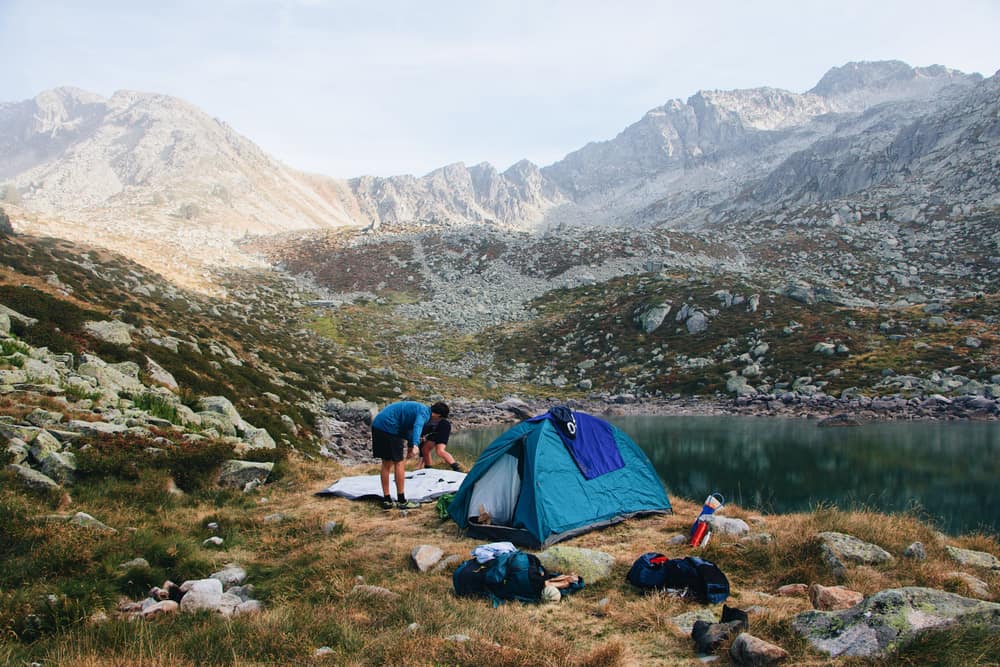
A tent's weight comes almost entirely from three things: how many walls it has, what its poles are made of, and how thick its fabric is. A freestanding tent carries its own dedicated pole set, usually aluminum, just to stand up; a single-wall or trekking-pole design removes the second inner layer (and its poles) that a freestanding tent carries, and borrows the poles you're already using to walk instead of packing a second set. Both changes are why trekking-pole tents dominate the value picks on this site; the single-wall vs double-wall guide covers what you give up. The 3F UL Gear Lanshan 2, a double-wall trekking-pole tent, saves 840 g (1 lb 13.6 oz) vs the Kelty Late Start 2P against Kelty Late Start 2P, the mainstream freestanding 2-person tent this site measures against, for a value figure of Value 7.7/10.
Fabric is the other lever, and it's where the steepest price climb sits. The Durston X-Mid 2 uses a lighter, pricier fabric than the Lanshan 2 and costs a higher MSRP band — see Lanshan 2 vs Durston X-Mid 2 for the full comparison, and silnylon vs silpoly vs Dyneema for what fabric choice actually buys you. See the full field in best budget backpacking tents.
Sleep system
Split this into two purchases: what keeps you warm (a quilt or a bag) and what keeps you off the ground (a pad). A quilt saves weight over a mummy bag by dropping the zipper, hood and underside insulation your body weight already compresses flat — see quilt vs sleeping bag for the trade. The Zenbivy Core Quilt 25°F saves 539 g (1 lb 3.0 oz) vs the Kelty Cosmic Synthetic 20 against Kelty Cosmic Synthetic 20, for a value figure of Value 8.6/10. Whether you buy down or synthetic fill changes this math again — down packs smaller and warmer per gram, synthetic keeps insulating if it gets wet — and down vs synthetic insulation walks through which matters more for your trips.
Under it, an insulated air pad packs smaller and sleeps warmer per gram than a foam pad, at a real cost in both price and puncture risk. The Therm-a-Rest NeoAir XLite NXT saves 310 g (10.9 oz) vs the Therm-a-Rest Trail Scout (Regular) against Therm-a-Rest Trail Scout (Regular), for a value figure of Value 2.5/10. If you'd rather keep the pad budget low and spend elsewhere, the Klymit Static V Base is a simpler, uninsulated air pad at 530 g (1 lb 2.7 oz), a fair trade for a summer-only trip where warmth matters less than price — see sleeping pad R-value explained for how to size warmth to your season before you choose between them, and the full field in best budget sleeping pads.
Pack
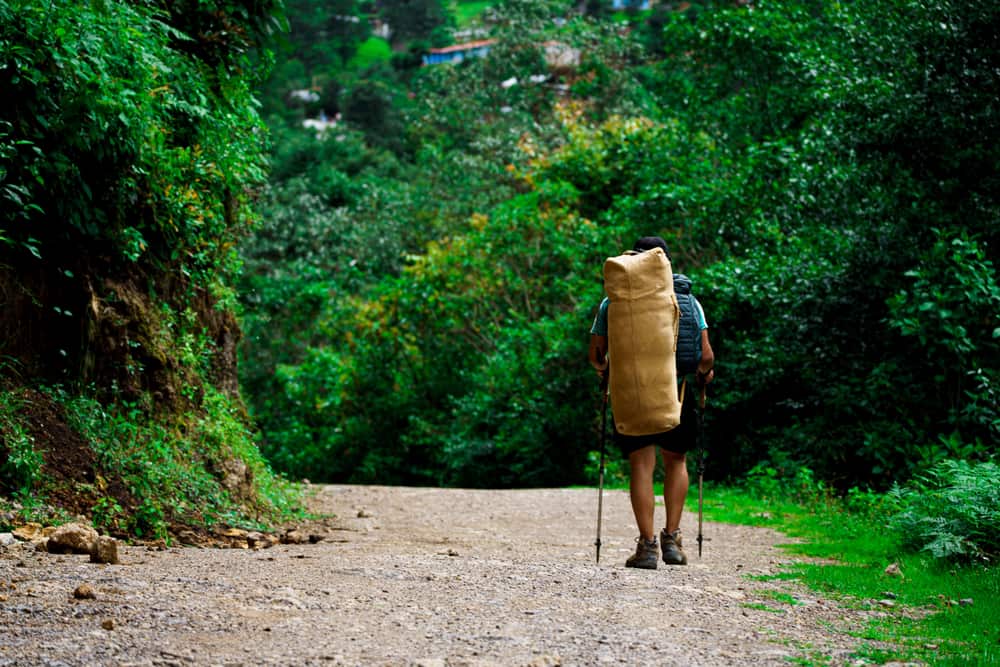
A pack's weight tracks its frame and its volume: a frameless pack has no aluminum stay or hip-belt suspension to carry, so it's lighter and cheaper, but it only carries comfortably once the load inside it is already light — see frameless vs framed backpacks. The 3F UL Gear QiDian Pro saves 798 g (1 lb 12.1 oz) vs the Osprey Rook 65 against Osprey Rook 65, the entry-level framed pack this site measures against, for a value figure of Value 8.7/10. That's the pack piece of the big three: it's the one most directly dependent on the other two being sorted first, which is why it's usually the last of the three to buy. See the full field in best budget ultralight backpacks and best budget backpacking backpacks if you want a frame. If you're not ready to go fully frameless, the Osprey Exos 58 keeps a suspended-mesh frame at 1,320 g (2 lb 14.6 oz), for a higher MSRP band over the QiDian Pro — a real example of paying for suspension comfort rather than raw weight savings, covered alongside the Kakwa 55 in Osprey Exos vs Durston Kakwa 55.
The big three, added up
Our picks for this
The big three, as one kit
A shelter, a quilt, a pad and a pack — the four items that make up the three structural categories above.
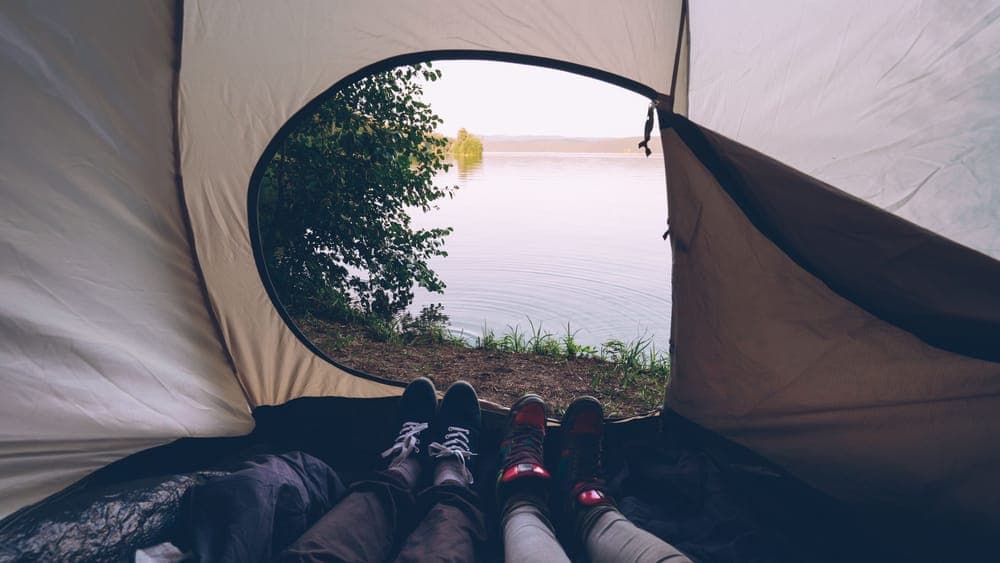
Budget double-wall trekking-pole tent for 2
3F UL Gear Lanshan 2
1,060 g (2 lb 5.4 oz)$150–$200 band7.0 / 10Shelter: double-wall, two doors, factory-taped seams.
Check price · Amazon#ad · Price set by Amazon · Affiliate disclosure for the link to 3F UL Gear Lanshan 2
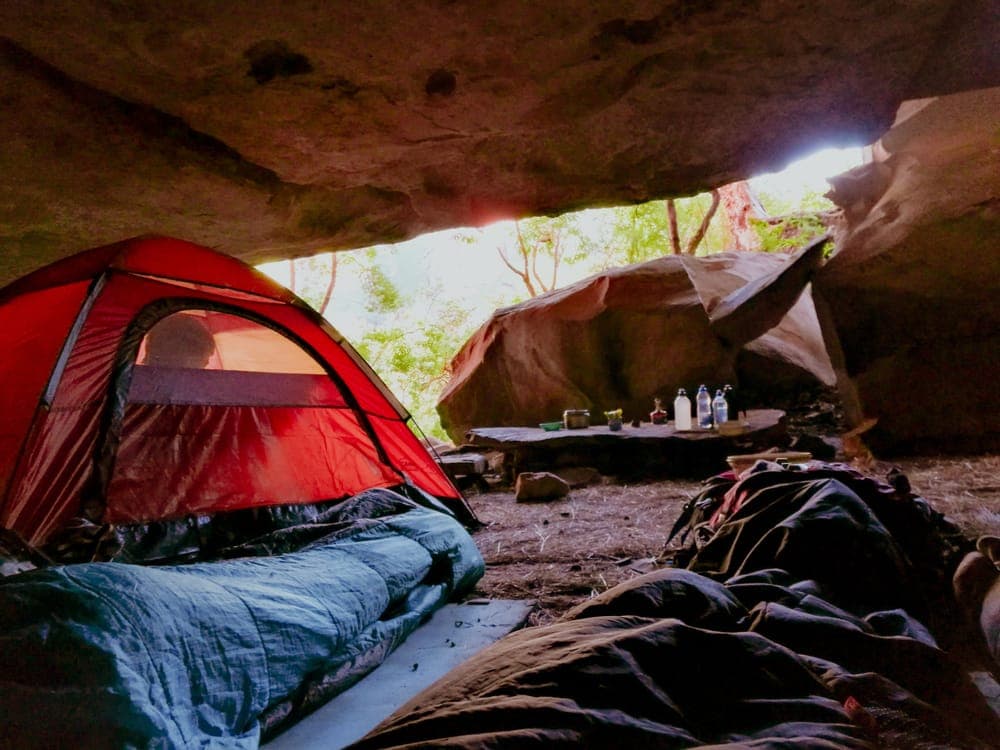
Best value 25°F quilt
Zenbivy Core Quilt 25°F Down
737 g (1 lb 10.0 oz)$200–$300 band7.2 / 10Sleep system, part one: the insulation.
Check price · Amazon#ad · Price set by Amazon · Affiliate disclosure for the link to Zenbivy Core Quilt 25°F Down
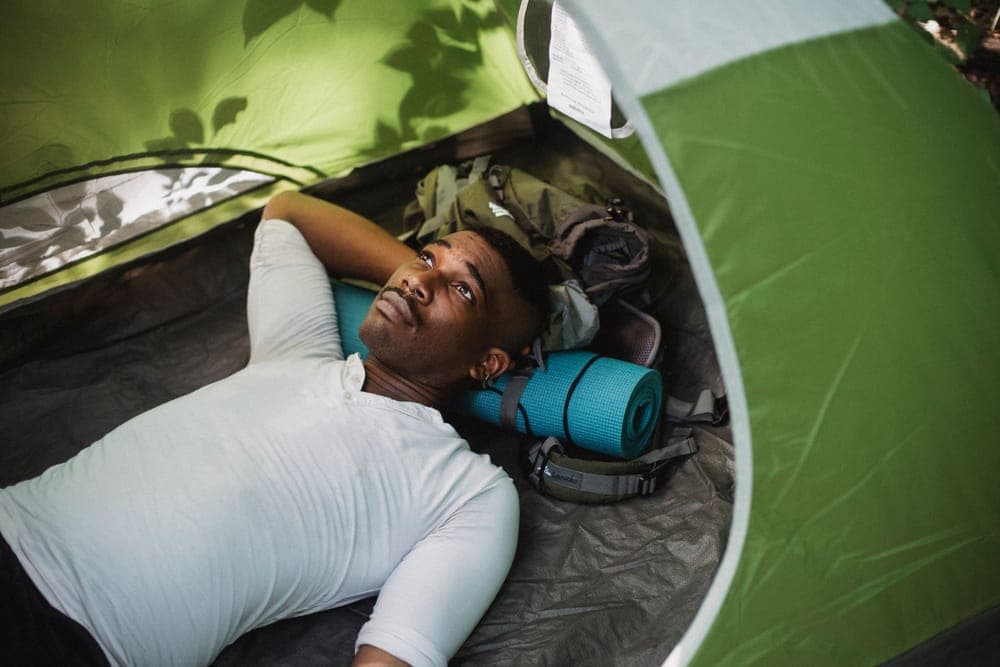
Lightest all-season air pad
Therm-a-Rest NeoAir XLite NXT (Regular)
370 g (13.1 oz)$200–$300 band6.1 / 10Sleep system, part two: the pad underneath it.
Check price · Amazon#ad · Price set by Amazon · Affiliate disclosure for the link to Therm-a-Rest NeoAir XLite NXT (Regular)
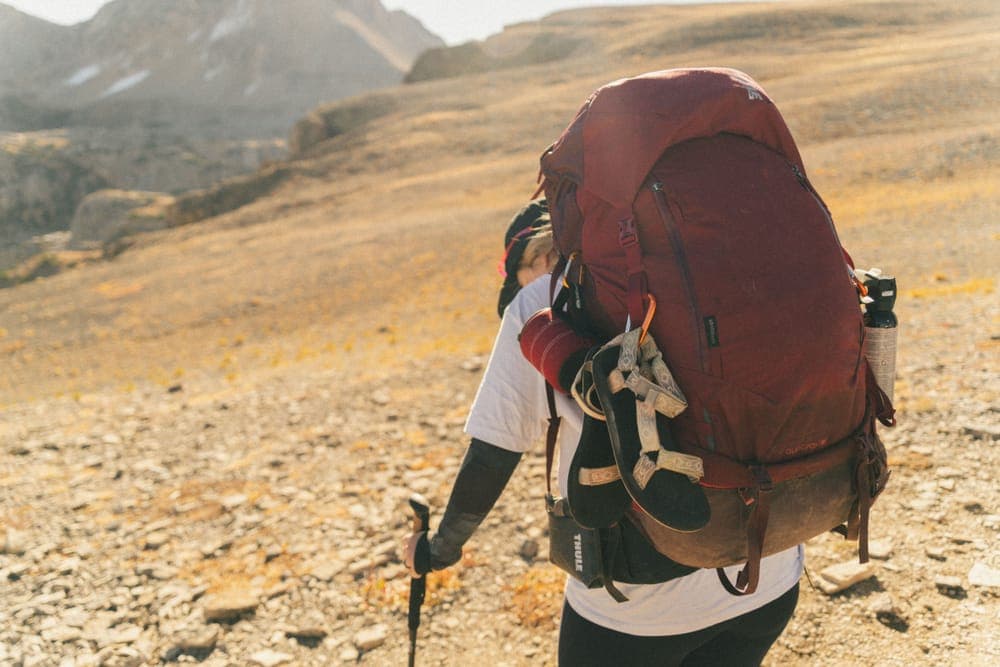
Best value frameless pack
3F UL Gear QiDian Pro
880 g (1 lb 15.0 oz)$50–$100 band7.0 / 10Pack: frameless, and rated for a load this light.
Check price · Amazon#ad · Price set by Amazon · Affiliate disclosure for the link to 3F UL Gear QiDian Pro
Photos are illustrative, not the product. Scores are spec-derived.
Where the dollars go
Because each of the big three is a structural item, they're also where fabric and material upgrades cost the most per gram saved. A lighter Dyneema tent, a higher fill-power quilt, or a carbon-frame pack all ask for a steep price jump for a modest weight cut once you're already past the entry-level pick — the value-hunter math on this site exists specifically to show you where that trade stops paying off. Small items (a stove, a filter, a headlamp) rarely see that same climb, because there's a hard floor on how light or cheap a single simple object can get either way. Concretely: going from the Lanshan 2 to the Durston X-Mid 2 costs a higher MSRP band for a comparatively modest weight cut, and going from the X-Mid 2 to the Zpacks Duplex costs even more again for a smaller cut still — each step up the fabric ladder buys fewer grams for more money than the step before it.
Sizing the big three to your trips
None of the picks above are one-size-fits-every-trip, because all three categories are sized to a use case as much as a weight target:
- Shelter: a 1-person tent saves real grams over a 2-person tent if you always hike solo, but it's the wrong swap for anyone who sometimes shares a shelter, since a 1-person floor is too narrow for two sleeping pads. See best 1-person backpacking tents and best 2-person backpacking tents and pick the capacity you actually need before you shop by weight.
- Sleep system: a 25°F quilt is dead weight on a summer trip and dangerously undersized on a cold shoulder-season one. Buy for your coldest planned night, not your average one — a warmer quilt used unzipped on a hot night beats a cold night in an underrated one. Owning two quilts, a warm one and a cool one, is a legitimate answer for hikers who trip in both seasons and can afford the second purchase.
- Pack: volume should follow trip length, not the other way around. A pack sized for a weekend won't swallow a week of food; see what size backpack for backpacking for liters by trip length. Oversizing a pack "to be safe" is its own weight penalty: extra fabric and a bigger frame add grams before you've packed a single item, and an underfilled pack rides worse than a correctly sized one.
The big three also matters less the shorter and flatter your trips are. A one-night hike to a car-adjacent campsite doesn't punish a heavy tent the way five days on a mountain trail does — the math on this page pays off in proportion to miles covered and elevation climbed, not in the abstract. If most of your trips are short, spend the money on the categories that make camp more comfortable instead, and revisit the big three when your trips get longer.
Which to upgrade first
Shelter first, then sleep system, then pack — in that order, for most traditional backpackers moving toward an ultralight kit. See how to lower your base weight for the full worked-out order across every category, not just the big three, and the ultralight backpacking gear list for one value pick per category if you'd rather shop the whole kit at once. If you want the math done for you at a fixed budget, the $500, $1,000 and $2,000 builds each lead with the big three before filling in the rest.
The reason this order holds up trip after trip: the big three are the only categories where an entry-level product is heavy specifically to hit a low shelf price, rather than because a lighter version doesn't exist. A cheap stove is already close to as light as a stove gets — there's no equivalent "budget tax" hiding in a cheap titanium stove the way there is in a cheap freestanding tent. That's the whole logic behind spending your first gear dollars on the big three and your last dollars on everything else, not the reverse.
How we scored this
Units we claim to have tested: 0
Most gear sites say they tested everything. We didn't, and we say so. What we did instead: took every weight and list price from the maker's own page, measured each product against a named mainstream reference, and computed grams saved per dollar. Every number links to where it came from.
The score is spec-derived: value and weight are computed from those numbers, and the rest are judgments from published specs, not test results. Commissions never set a score or decide a pick. The formula, weights and references are published.
Questions
Frequently asked
What is the big three in backpacking?
Which of the big three should I upgrade first?
Do I need to upgrade all three at once?
Why is the pack usually the last of the big three to upgrade?
Are the big three worth more of my budget than the rest of my gear?
How much of my base weight is the big three?
Is it worth paying more for Dyneema or carbon fiber in the big three?
Receipts
Sources
- 3F UL Gear: Lanshan 2 product page (checked 2026-09-22)
- Durston Gear: X-Mid 2 product page (checked 2026-09-22)
- Zenbivy: Core Quilt product page (checked 2026-09-22)
- Therm-a-Rest (Cascade Designs): NeoAir XLite NXT product page (checked 2026-09-22)
- 3F UL Gear: QiDian Pro product page (checked 2026-09-22)
- Zpacks: Duplex Tent product page (checked 2026-09-22)
- Klymit: Static V Base Sleeping Pad product page (checked 2026-09-22)
- Osprey: Exos 58 product page (checked 2026-09-22)
We haven't tested the gear on this page and we don't pretend to. Weights, list prices and specs come from each maker's own pages (linked on every product), and performance figures such as boil times or flow rates are the maker's claims, labeled that way. Amazon sets its own prices and changes them often, so buy buttons link to the live listing. Where a figure isn't published, we say so. Read the full method.