Search for a women's ultralight gear list and you mostly get a standard list in different colors. That is a shame, because there is a real version of this page: a short, specific set of fit decisions that change which product you buy, surrounded by a much longer list of gear where the women's label means nothing except a different swatch and sometimes a higher price.
This page separates the two. Three items earn a women's-specific decision. The rest of the kit is the same kit as our ultralight backpacking gear list, and you should buy it on weight and price like anyone else.
What actually changes, and what doesn't
Everything else on a gear list — the shelter, the stove, the pot, the water filter, the headlamp, the trekking poles, the rain shell — is sized by capacity, height or hand, not by gender. Where a maker sells a “women's” version of one of those, check whether the published specification actually differs before you pay for it.
The pack: torso length and hipbelt shape
Torso length is the measurement that decides pack fit, and it is not a gendered number — plenty of men have a 17-inch torso and plenty of women have a 20-inch one. What women's-fit packs do is cover the shorter end of the range properly and pair it with a hipbelt that is shaped rather than just smaller.
Two examples from packs we track make the difference concrete. Granite Gear lists the Virga3 55 Women's in a Short covering 15-18 inch torsos and a Regular covering 18-21 inches, with a Re-Fit hipbelt adjustable from 24 to 40 inches and an adjustable torso height and width on top of that (Granite Gear). Gossamer Gear goes the other way and sells the hipbelt separately from the pack body: a curved belt described as an S-curve for a wider waist-to-hip ratio, or a straight belt, in five sizes between them (Gossamer Gear).
That second one is the fit difference that actually matters. A hipbelt that is simply shorter still sits wrong if its curve assumes a straight waist. Measure your torso first — our backpack sizing guide walks through it — then buy the belt shape, then worry about grams. The ranked options with a women's fit are on best ultralight backpacks for women.
The bag: cut, and the rating you should actually read
A women's sleeping bag is typically cut narrower across the shoulders, wider at the hips, and carries more insulation in the footbox. Those are real construction differences, not a colorway. The harder question is the temperature rating.
Sleeping bag ratings come in two forms. A lab-tested ISO or EN rating gives both a comfort figure and a limit figure, and the standard defines comfort as the temperature at which a standard adult woman sleeps comfortably and limit as the temperature at which a standard adult man is on the edge of it. A maker's own estimated rating gives one number and no definition. If you sleep cold, the comfort figure is the one to buy on — and on an untested bag, you simply do not have it.
This splits the women's bags we track into two useful groups. Sea to Summit publishes tested figures on bags like the Hamelin Women's 30 (Sea to Summit). Kelty rates the Women's Cosmic Down 20 at 20°F with no ISO or EN values on its product page (Kelty) — which does not make it a bad bag, and it is the best-value women's down bag we track, but it does mean you should add margin rather than take the number at face value. The full sort of which bags are tested and which are not is on best backpacking sleeping bags for women, and the mechanics of the two rating systems are in sleeping bag temperature ratings explained.
One more trap worth naming: length. Kelty lists the Women's Cosmic Down 20 Regular as fitting up to 5 ft 8 in. If you are taller than that, the women's cut is the wrong bag and a men's or unisex Long is the right one, whatever the label says.
The pad: width before warmth
Sleeping pads are not gendered, with rare exceptions, and the women's-specific versions some makers sell are mostly shorter and warmer rather than differently shaped. What is worth doing deliberately is sizing.
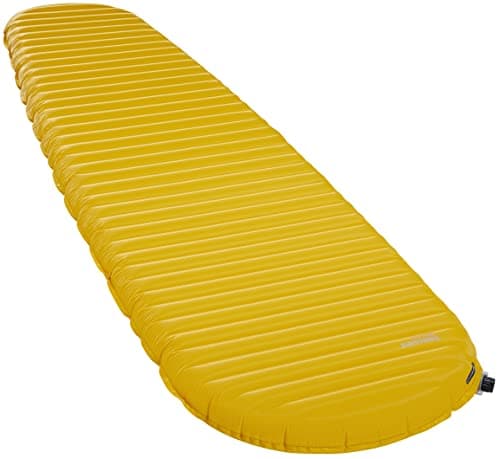
The standard Regular air pad, including the NeoAir XLite NXT in our picks below, is 72 by 20 inches (Therm-a-Rest). Twenty inches is narrow for anyone who sleeps with an arm out. If you are under about 5 ft 5 in, a Regular Short saves real grams at no comfort cost; if you sleep on your side or roll, buying the wider size is a better use of money than buying a warmer pad, because warmth and width are separate specs. The clearest illustration of that is NeoAir XLite NXT vs XTherm NXT: two pads with the same dimensions and different R-values. Thickness, not R-value, is the number side sleepers should read: see best sleeping pads for side sleepers, and sleeping pad R-value explained for the warmth side.
Four picks to build around
Two of these are women's-fit products chosen for the reasons above; two are unisex products chosen because nothing about them changes with the label. Together they are the big three plus a pad, which is where roughly two-thirds of a base weight lives.
Our picks for this
A women's-fit core, and two unisex pieces
Every weight, rating and fit range here is the maker's own published figure, linked in the sources below.
Best ultralight women's pack overall
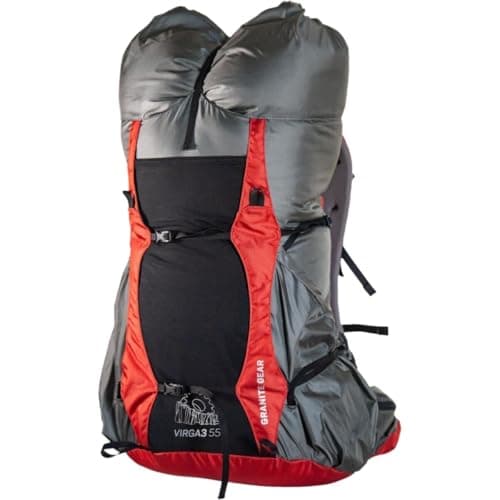
Granite Gear Virga3 55 Women's (Short)
735 g (1 lb 9.9 oz)$150–$200 band6.4 / 10735 g for 55 L with a Short torso range of 15-18 in, an adjustable torso height and width, and two large hipbelt pockets. Respect the 25 lb ceiling Granite Gear names.
$199.95Amazon#ad · Price as of November 3, 2026 · Affiliate disclosure for the link to Granite Gear Virga3 55 Women's (Short)
Best women's bag overall
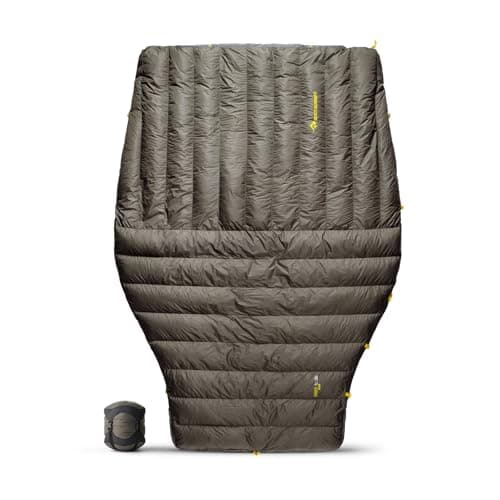
Kelty Women's Cosmic Down 20 (Regular)
1,420 g (3 lb 2.1 oz)$200–$300 band3.2 / 10550-fill down with a full draft collar in a women's cut, at a list price no other women's down bag here approaches. Kelty publishes no ISO rating, so add margin.
Check price · Amazon#ad · Price as of November 3, 2026 · Affiliate disclosure for the link to Kelty Women's Cosmic Down 20 (Regular)
Lightest all-season air pad
Therm-a-Rest NeoAir XLite NXT (Regular)
370 g (13.1 oz)$200–$300 band6.1 / 10R 4.5 at 370 g in the Regular. Size it deliberately: a Regular Short if you are shorter, a Regular Wide if you sleep on your side.
$173.07Amazon#ad · Price as of November 3, 2026 · Affiliate disclosure for the link to Therm-a-Rest NeoAir XLite NXT (Regular)
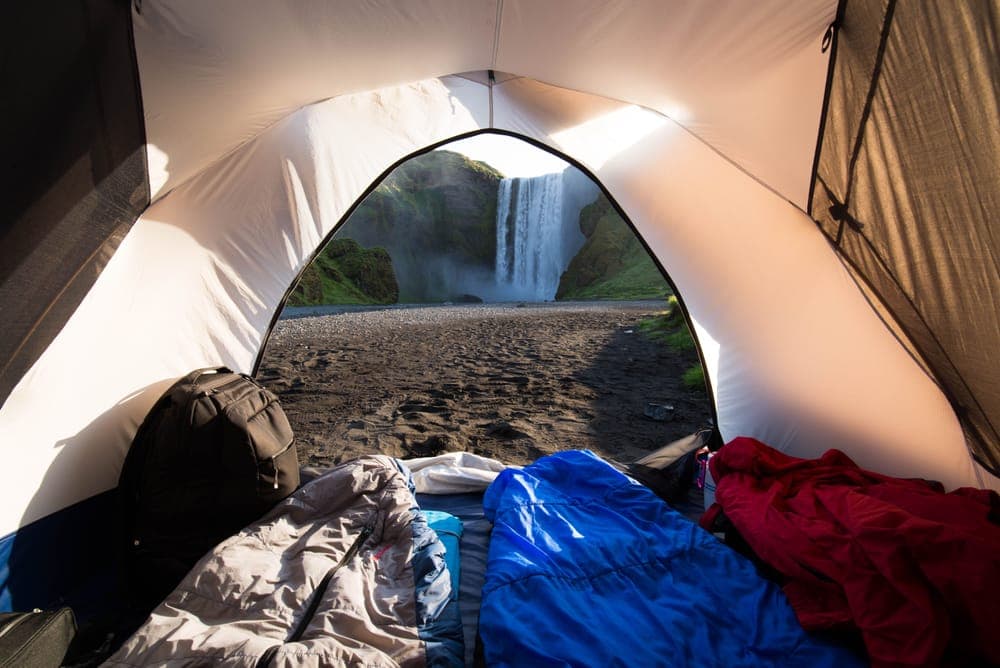
Cheapest double-wall solo tent
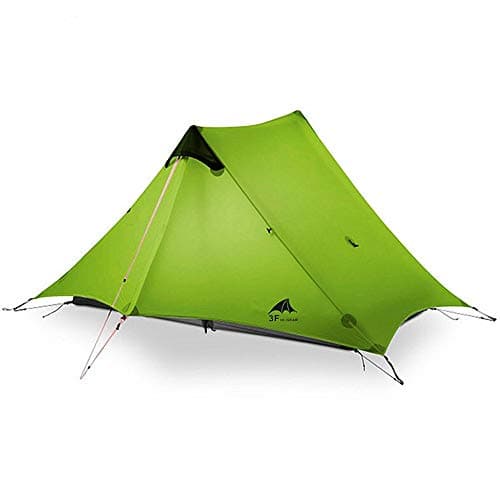
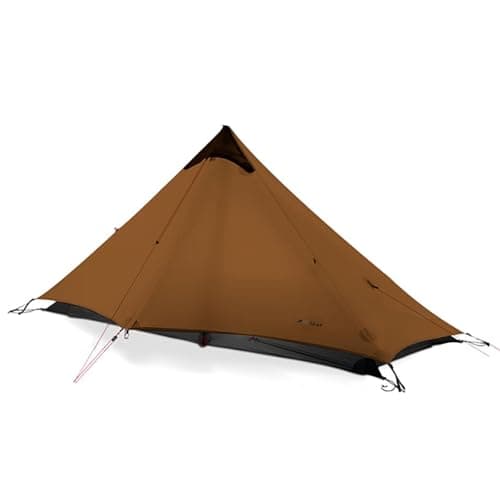
3F UL Gear Lanshan 1
775 g (1 lb 11.3 oz)$100–$150 band7.4 / 10A 'women's tent' is not a thing, and this is the cheapest real double-wall trekking-pole shelter we track. Factory-taped seams, one door, one vestibule.
$146.99Amazon#ad · Price as of November 3, 2026 · Affiliate disclosure for the link to 3F UL Gear Lanshan 1
Photos are illustrative, not the product. Scores are spec-derived.
The list, category by category
This is a three-season kit. The two columns that matter are whether fit is gendered and what actually decides the purchase.
| Category | Fit is gendered? | What decides the buy |
|---|---|---|
| Pack | Yes | Torso length, hipbelt shape, then load rating against your base weight |
| Sleeping bag or quilt | Yes | Tested comfort rating if published, then cut and length |
| Sleeping pad | Sizing only | Width and length first, then R-value for your season |
| Shelter | No | Capacity, pitch type, weight per dollar |
| Stove and pot | No | How many people you cook for and whether you simmer |
| Water filter | No | Rated life, flow, and how it attaches to your bottle |
| Rain shell | Sizing only | Fit over your insulation layer, then weight |
| Trekking poles | Grip size only | Length range, lock type, and whether your tent needs them |
| Headlamp, pillow, repair kit | No | Weight and whether you will actually use it |
Build the first three rows deliberately and buy the rest on the same grams-per-dollar logic as everyone else. The complete ranked versions of each category live in the hubs: budget backpacking tents, budget backpacking stoves and backpacking water filters. For the brand decision most people end up making in that category, see Sawyer Squeeze vs LifeStraw.
Where not to pay a women's premium
A women's label is worth money when it changes a published specification. It is worth nothing when it changes a color. Before you pay more for a women's version of anything outside the three items above, put the two spec sheets side by side and look for:
- A different torso or length range. Real difference, real reason to buy.
- A different hipbelt or harness shape. Real difference on packs specifically.
- A tested comfort rating where the unisex version has none. Real difference on insulation.
- Different fill weight or insulation placement. Real difference on bags and quilts.
- Only a different colorway and a higher price. Buy the other one.
Quilts are an interesting case here: a quilt has no hood and no fixed cut, so most makers sell one version for everyone and let you choose width and temperature rating instead. If you sleep cold, that flexibility can work in your favor — size up a rating band rather than hunting for a women's label. See quilt vs sleeping bag and what temperature quilt do I need.
A realistic base weight target
Base weight is everything in your pack except food, water and fuel, and it is the number to optimize. The picks above give a rough sense of where a reasonable three-season core lands: a 735 g (1 lb 9.9 oz) pack, a 1,420 g (3 lb 2.1 oz) bag, a 370 g (13.1 oz) pad and a 775 g (1 lb 11.3 oz) shelter come to about 3,300 g (7 lb 4.4 oz) before you add cook kit, water treatment, clothing and the small stuff.
In practice that usually settles into a 12 to 16 lb total base weight for a first ultralight kit, which is a long way under a typical first-time load and well short of the sub-10 figure the internet treats as the entry fee. Two things worth knowing: that bag is the single heaviest item in the list and the easiest place to spend money for grams, and a lighter pack only works if the rest of the kit stays under its load rating. The full method is in what is base weight and how to lower your base weight; if you want a costed version of the whole thing, start with the 500 dollar ultralight backpacking kit.
Mistakes to avoid
- Buying a pack by dress size. Torso length and hipbelt circumference are the measurements. Nothing else predicts fit.
- Reading a bag's single number as a comfort rating. On an untested bag it is neither comfort nor limit, it is an estimate. Add margin.
- Buying a shorter bag to save weight without checking your height against the fit figure. A Regular that fits to 5 ft 8 in is not a Regular for everyone.
- Solving a cold-sleeper problem with a warmer pad when the bag is the issue, or the reverse. Heat leaves in both directions; work out which one is failing before you spend.
- Paying extra for a women's version of a stove, pot, filter or headlamp. There is no fit difference to buy.
- Going frameless before the base weight supports it. A 735 g pack over its load ceiling is a worse carry than a 1,300 g pack under it.
What we can't tell you
We rank gear from published specifications rather than from field testing, and fit is the category where that limit is sharpest. We cannot tell you whether a given hipbelt curve suits your hips, whether a bag cut narrower at the shoulder will feel restrictive to you, or how cold you personally sleep — the ISO comfort figure is defined for a standard adult woman, and you are not a standard anything. We also will not repeat the common claim that women sleep a set number of degrees colder than men; we found no current, citable source that supports a specific figure, so we are not going to print one.
What the published specifications do support is the structure of this page: buy the pack on torso length and belt shape, buy the insulation on a tested comfort rating where one exists, size the pad deliberately, and buy everything else exactly as anyone else would.
How we scored this
How these picks were chosen
Every weight and list price here comes straight from the maker's own product page, measured against a named mainstream reference, then turned into one number: grams saved per dollar. Every figure links to the page it came from, so you can check any of it in a click.
Value and weight are computed from those published numbers; function, durability and ease are scored from the specs, manuals and standards each maker publishes. Commissions never set a score or decide a pick. The formula, weights and references are published.
What changed
- Published.
Questions
Frequently asked
What is actually different about women's backpacking gear?
Do I need a women's-specific backpack?
Should I buy a women's sleeping bag or a regular one?
What base weight should a woman aim for?
Are women's sleeping pads warmer?
Is a quilt a good choice for a woman who sleeps cold?
What is the lightest women's backpack?
Receipts
Sources
- Granite Gear: Virga3 55 Women's product page (checked 2026-09-26)
- Gossamer Gear: Gorilla 50 product page (checked 2026-09-26)
- Kelty: Women's Cosmic Down 20 product page (checked 2026-09-26)
- Sea to Summit: Hamelin Women's Synthetic sleeping bag product page (checked 2026-09-26)
- Therm-a-Rest (Cascade Designs): NeoAir XLite NXT product page (checked 2026-09-22)
- 3F UL Gear: Lanshan 1 product page (checked 2026-09-22)
Weights, list prices and specs on this page come from each maker's own pages, linked on every product, and performance figures such as boil times or flow rates are the maker's claims, labeled that way, so you always know whose number you're reading. Amazon sets its own prices and changes them often, so buy buttons link to the live listing. Read the full method.