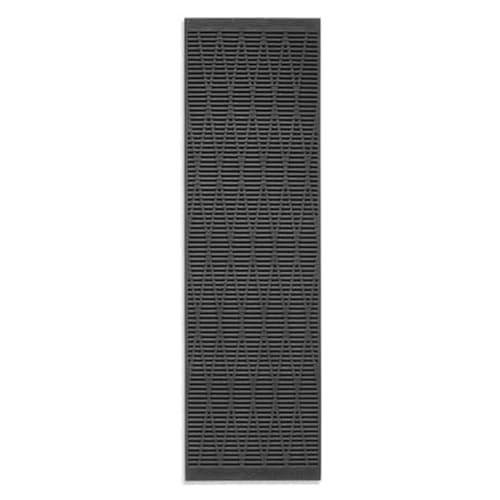
The contenders
Side by side
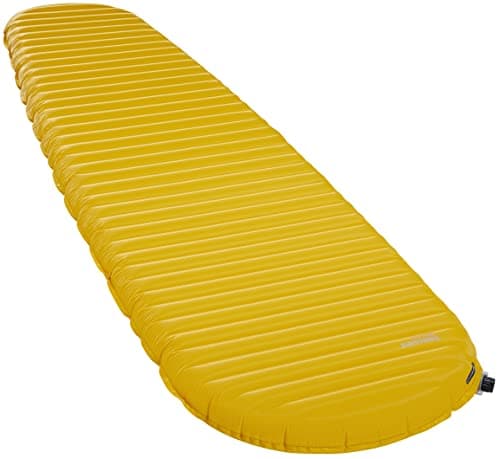
The right pad for most buyers
Therm-a-Rest NeoAir XLite NXT (Regular)
6.1 / 10R 4.5 covers three-season camping at the lowest weight of the two air pads. The default unless you have a reason to go warmer.
$173.07Amazon#ad · Price as of November 3, 2026 · Affiliate disclosure for the link to Therm-a-Rest NeoAir XLite NXT (Regular)
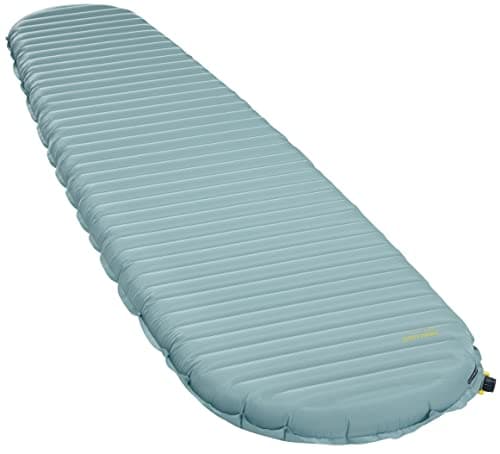
Buy it for frozen ground
Therm-a-Rest NeoAir XTherm NXT (Regular)
5.8 / 10R 7.3 and a 70D bottom fabric for 70 g more. Real winter capability, and more warmth than a summer trip can use.
$208.00Amazon#ad · Price as of November 3, 2026 · Affiliate disclosure for the link to Therm-a-Rest NeoAir XTherm NXT (Regular)
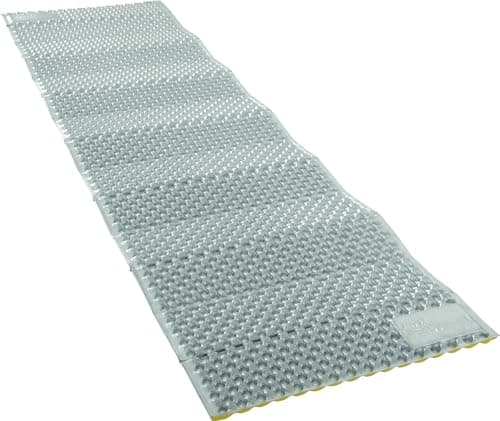
The cheap way to add warmth
Therm-a-Rest Z Lite SOL (Regular)
6.8 / 10R 2.0 of closed-cell foam that Therm-a-Rest itself positions as an under-layer in the cold, for a fraction of the gap between these two pads.
$59.95Amazon#ad · Price as of November 3, 2026 · Affiliate disclosure for the link to Therm-a-Rest Z Lite SOL (Regular)
These two pads are unusually easy to compare, because Therm-a-Rest built them to be nearly the same pad. Both are 72 by 20 inches in the Regular, both are 3 inches thick, both use the WingLock valve and ship with a pump sack, stuff sack and field repair kit, and both carry Therm-a-Rest's Limited Lifetime Warranty (Therm-a-Rest). Two specifications separate them: R-value and the fabric on the underside. Everything else on this page follows from those two lines.
Only one spec really differs
| Specification | XLite NXT | XTherm NXT |
|---|---|---|
| Dimensions (Regular) | 72 x 20 in, 3 in thick | 72 x 20 in, 3 in thick |
| Valve | WingLock | WingLock |
| In the box | Pump sack, stuff sack, repair kit | Pump sack, stuff sack, repair kit |
| Warranty | Limited Lifetime | Limited Lifetime |
| R-value | 4.5 | 7.3 |
| Bottom fabric | 30D ripstop nylon | 70D nylon |
| Weight (Regular) | 370 g | 440 g |
Note what is not on that list: thickness. Some buyers assume the warmer pad is also the plusher one. It is not. Both are 3 inches, so if you are shopping for cushion rather than warmth — the usual reason a side sleeper upgrades — neither of these is an upgrade over the other. That decision belongs on best sleeping pads for side sleepers.
Side by side
| Published spec | Therm-a-Rest NeoAir XLite NXT (Regular) | Therm-a-Rest NeoAir XTherm NXT (Regular) | Therm-a-Rest Z Lite SOL (Regular) |
|---|---|---|---|
| Weight | 370 g (13.1 oz) | 440 g (15.5 oz) | 410 g (14.5 oz) |
| List price | $200–$300 band | $200–$300 band | $50–$100 band |
| Value | Value 2.5/10 | Value 1.7/10 | Value 7.5/10 |
| R-value | 4.5 (spec table does not name the standard; the page FAQ describes ASTM F3340-18 rating) | 7.3 (spec table does not name the standard; the page FAQ describes ASTM F3340-18 rating) | 2.0 (standard not named in the spec table) |
| Dimensions | 72 x 20 in (183 x 51 cm), 3 in (7.6 cm) thick | 72 x 20 in (183 x 51 cm), 3 in (7.6 cm) thick | 72 x 20 in (183 x 51 cm), 0.75 in (2 cm) thick |
| Fabric | 30D ripstop HT nylon top and bottom | 30D ripstop HT nylon top, 70D nylon bottom | Molded closed-cell crosslinked polyethylene foam with ThermaCapture reflective coating |
| Packed size | 9 x 4.1 in (23 x 10 cm) | 9 x 4.5 in (23 x 11 cm) | 20 x 5 x 5.5 in (51 x 13 x 14 cm), folded |
| Score | 6.1 / 10 | 5.8 / 10 | 6.8 / 10 |
Against our pad reference, the Therm-a-Rest Trail Scout (Regular) at 680 g (1 lb 8.0 oz), the XLite NXT saves saves 310 g (10.9 oz) vs the Therm-a-Rest Trail Scout (Regular) and the XTherm NXT saves 240 g (8.5 oz) vs the Therm-a-Rest Trail Scout (Regular). Both are far lighter than a mainstream self-inflating pad while being warmer than it; the question is only how much of that warmth you need.
What R 4.5 and R 7.3 actually cover
R-value measures resistance to heat flowing out of you and into the ground. Since 2020 the whole industry has used one standardized test, ASTM F3340, which is why these numbers can be compared across brands at all (ASTM). Therm-a-Rest's spec tables do not name the standard, though its product-page FAQ describes the ASTM F3340-18 rating, so read the figures as the maker's published numbers under that method.
The practical bands most buyers work from look like this. They are guidance, not a temperature guarantee: what you sleep under, how cold you sleep and whether you are on snow all move the line.
| Conditions | R-value usually wanted | Which of these pads |
|---|---|---|
| Summer, nights above 50°F | About 2 | Neither; a foam pad does it |
| Three-season, nights down to freezing | About 3 to 5 | XLite NXT |
| Shoulder season, frost and frozen ground | About 5 or more | XTherm NXT, or XLite plus foam |
| Snow camping | About 6 or more | XTherm NXT |
Read down that table and the split is clear: the XLite NXT's R 4.5 covers the conditions the large majority of backpackers actually camp in, and the XTherm NXT's R 7.3 is bought for the nights at the bottom. The full explanation of how the number is produced and why it is additive between layers is on sleeping pad R-value explained.
What the extra warmth costs
That is an unusually cheap warmth upgrade by the standards of this category. A quilt or bag rated 15°F colder than the one you own costs far more than the gap between these two pads. So if you genuinely camp in the cold, the XTherm NXT is not the extravagant choice; buying it for trips you never take is.
The other difference: the bottom fabric
The XLite NXT uses 30D ripstop nylon top and bottom. The XTherm NXT keeps the 30D top but puts 70D nylon underneath (Therm-a-Rest). That is a more than twofold jump in denier on the face that sits against the ground, and it is part of why the XTherm weighs more.
It also matters for a reason nobody advertises: the XTherm is the more puncture-resistant of the two on rough ground, independent of temperature. If you pitch on granite, desert grit or frozen scree more than you pitch on duff, that fabric is a real argument for the heavier pad even in summer. We will not put a number on how much tougher it is — denier is a yarn-weight figure, not a puncture test — but the direction is not in doubt.
The cheaper route to winter warmth
There is a third option most XLite-versus-XTherm comparisons leave out: keep the XLite NXT and put a closed-cell foam pad underneath it on the cold trips. Therm-a-Rest itself positions the Z Lite SOL this way — as an under-layer for extra warmth beneath another pad in the cold (Therm-a-Rest), and the Z Lite SOL is rated R 2.0 on its own.
The trade is honest in both directions. Stacking costs you 410 g (14.5 oz) of foam that folds to 20 by 5 by 5.5 inches and usually rides outside the pack, which is bulkier and heavier than simply carrying the XTherm. What you get is a layer that cannot puncture, insurance if your air pad fails at the worst possible time, and a sit pad at lunch. It also costs much less than the gap between the two air pads, and you only carry it on the trips that need it.
If you are leaning toward a dedicated cold-weather setup rather than a stack, the whole category is ranked on best sleeping pads for winter backpacking, and the foam-versus-air decision has its own page at foam vs inflatable sleeping pads.
Sizes, and the width problem
Both of these pads are 20 inches wide in the Regular, which is narrow for anyone who sleeps with an arm out or rolls across the pad at night. Therm-a-Rest sells the XLite NXT in four sizes, from Regular Short to Large; the Regular Wide adds 25 inches of width, about 80 g and a higher list price.
Do not solve a width problem by buying the warmer pad. They are the same width. Solve it by buying the wider size of whichever R-value you actually need — the weight penalty for the extra width is in the same range as the penalty for the extra warmth, and paying both without needing both is the most common way buyers overspend in this category.
Who should buy which
Buy the XLite NXT if your coldest night is around freezing
R 4.5 at 370 g (13.1 oz) is the best weight-to-warmth package Therm-a-Rest sells for three-season use, and it is the cheaper of the two. Skip it if you camp on snow: R 4.5 on frozen ground is the one situation where this pad genuinely underperforms, and no sleeping bag rating compensates for heat pulled out through the ground.
Buy the XTherm NXT if you camp on snow or frozen ground
R 7.3 and the 70D bottom for 70 g (2.5 oz) more. If you winter camp at all, or ski-tour, or spend shoulder season at altitude, this is the correct pad and the weight penalty is small. Skip it if your trips are June to September: you are paying for warmth you will never use and carrying it the whole way.
Add the Z Lite SOL instead if winter is two trips a year
Cheaper than the gap between the pads, impossible to puncture, and useful as a sit pad and a backup. Skip it if pack bulk is your constraint: it folds to a brick that usually rides on the outside of the pack.
What we can't tell you
We score gear from published specifications rather than from field testing, so three things on this page stay out of bounds. We cannot tell you how loud either pad is in a quiet tent, because neither maker publishes a figure for it and the NeoAir line's crinkle is a genuine complaint among owners. We cannot tell you the combined R-value of an XLite stacked on a Z Lite, because ASTM F3340 rates single pads and Therm-a-Rest does not publish a stacked figure — only that the foam pad is intended as an under-layer for extra warmth. And we cannot tell you which punctures first in the real world; the denier difference tells you the direction and nothing more.
What the published numbers do support is simple: the XLite NXT is the pad most backpackers should buy, the XTherm NXT is the pad winter campers should buy, and the choice between them is about where you camp, not about how much you want to spend. If you want to see both against the rest of the field, start at best budget sleeping pads.
If the XTherm is the one you want, it is worth seeing it against NEMO's cold-weather pad as well: Tensor All-Season vs NeoAir XTherm puts R 5.4 and R 7.3 side by side at the same 440 g.
In detail
The contenders, in full
The right pad for most buyers
Therm-a-Rest NeoAir XLite NXT (Regular)
R 4.5 covers three-season camping at the lowest weight of the two air pads. The default unless you have a reason to go warmer.
Published specsFrom the maker, with the source linked
| Weight | 370 g (13.1 oz) (listed weight, Regular (13 oz / 0.37 kg; 370 g in the description)) |
|---|---|
| List price | $200–$300 MSRP band (per cascadedesigns.com, checked Sep 2026) |
| Value | Value 2.5/10vs the reference Therm-a-Rest Trail Scout (Regular) at 680 g (1 lb 8.0 oz) |
| R-value | 4.5 (spec table does not name the standard; the page FAQ describes ASTM F3340-18 rating) |
| Dimensions | 72 x 20 in (183 x 51 cm), 3 in (7.6 cm) thick |
| Packed size | 9 x 4.1 in (23 x 10 cm) |
| Fabric | 30D ripstop HT nylon top and bottom |
| Valve / inflation | WingLock valve; pump sack, stuff sack and field repair kit included |
| Warranty | Limited Lifetime Warranty |
How the 6.1 score breaks down
- Grams per dollar (35%, computed)
- 2.5
- Weight (20%, computed)
- 7.2
- Warmth (R-value) & comfort (25%)
- 9.0
- Materials & durability (10%)
- 6.0
- Ease & versatility (10%)
- 9.0
What the specs support
- Lightest pad here with an R-value above 4
- Pump sack included and packs to about 9 x 4 in
- Four sizes, from Regular Short to Large
Where it falls short
- One of the highest list prices in the group
- Only 20 in wide in the Regular
Skip it if…
Skip it if you sleep wide or roll a lot: the Regular is 20 in wide, and the 25 in Regular Wide adds 80 g and a higher list price.
#ad · Price as of November 3, 2026 · Affiliate disclosure for the link to Therm-a-Rest NeoAir XLite NXT (Regular)
Buy it for frozen ground
Therm-a-Rest NeoAir XTherm NXT (Regular)
R 7.3 and a 70D bottom fabric for 70 g more. Real winter capability, and more warmth than a summer trip can use.
Published specsFrom the maker, with the source linked
| Weight | 440 g (15.5 oz) (listed weight, Regular (15.5 oz / 0.44 kg)) |
|---|---|
| List price | $200–$300 MSRP band (per cascadedesigns.com, checked Sep 2026) |
| Value | Value 1.7/10vs the reference Therm-a-Rest Trail Scout (Regular) at 680 g (1 lb 8.0 oz) |
| R-value | 7.3 (spec table does not name the standard; the page FAQ describes ASTM F3340-18 rating) |
| Dimensions | 72 x 20 in (183 x 51 cm), 3 in (7.6 cm) thick |
| Packed size | 9 x 4.5 in (23 x 11 cm) |
| Fabric | 30D ripstop HT nylon top, 70D nylon bottom |
| Valve / inflation | WingLock valve; pump sack, stuff sack and field repair kit included |
| Warranty | Limited Lifetime Warranty |
How the 5.8 score breaks down
- Grams per dollar (35%, computed)
- 1.7
- Weight (20%, computed)
- 5.6
- Warmth (R-value) & comfort (25%)
- 10.0
- Materials & durability (10%)
- 7.5
- Ease & versatility (10%)
- 8.5
What the specs support
- R 7.3, the highest R-value in this group
- 70D nylon bottom, heavier than the XLite NXT's 30D
- Only 70 g heavier than the XLite NXT
Where it falls short
- Highest list price among the pads here
- Far more warmth than a summer or three-season trip needs
Skip it if…
Skip it if your coldest night is above freezing: an R 4-5 pad like the XLite NXT covers that for less money and fewer grams.
#ad · Price as of November 3, 2026 · Affiliate disclosure for the link to Therm-a-Rest NeoAir XTherm NXT (Regular)
The cheap way to add warmth
Therm-a-Rest Z Lite SOL (Regular)
R 2.0 of closed-cell foam that Therm-a-Rest itself positions as an under-layer in the cold, for a fraction of the gap between these two pads.
Published specsFrom the maker, with the source linked
| Weight | 410 g (14.5 oz) (listed weight, Regular (0.41 kg; the same line says 14 oz, which is 397 g, so the heavier metric figure is used)) |
|---|---|
| List price | $50–$100 MSRP band (per cascadedesigns.com, checked Sep 2026) |
| Value | Value 7.5/10vs the reference Therm-a-Rest Trail Scout (Regular) at 680 g (1 lb 8.0 oz) |
| R-value | 2.0 (standard not named in the spec table) |
| Dimensions | 72 x 20 in (183 x 51 cm), 0.75 in (2 cm) thick |
| Weight conflict | 14 oz and 0.41 kg on the same spec line (397 g vs 410 g) |
| Packed size | 20 x 5 x 5.5 in (51 x 13 x 14 cm), folded |
| Material | Molded closed-cell crosslinked polyethylene foam with ThermaCapture reflective coating |
| Warranty | Limited Lifetime Warranty |
How the 6.8 score breaks down
- Grams per dollar (35%, computed)
- 7.5
- Weight (20%, computed)
- 6.3
- Warmth (R-value) & comfort (25%)
- 5.5
- Materials & durability (10%)
- 9.0
- Ease & versatility (10%)
- 6.5
What the specs support
- Nothing to inflate and nothing to puncture
- Saves 270 g over the Trail Scout at under a third of the XLite NXT's list price
- Therm-a-Rest pitches it as an under-layer for extra warmth beneath another pad in the cold
Where it falls short
- Only 2 cm thick; side sleepers will feel the ground
- Folds to 20 x 5 x 5.5 in, so it usually rides outside the pack
Skip it if…
Skip it if you sleep on your side on hard ground: 0.75 in (2 cm) of foam is the thinnest cushion here after the RidgeRest.
#ad · Price as of November 3, 2026 · Affiliate disclosure for the link to Therm-a-Rest Z Lite SOL (Regular)
How we scored this
How these picks were chosen
Every weight and list price here comes straight from the maker's own product page, measured against a named mainstream reference, then turned into one number: grams saved per dollar. Every figure links to the page it came from, so you can check any of it in a click.
Value and weight are computed from those published numbers; function, durability and ease are scored from the specs, manuals and standards each maker publishes. Commissions never set a score or decide a pick. The formula, weights and references are published.
What changed
- Published.
Questions
Frequently asked
Is the XTherm worth it over the XLite?
What R-value do I need for winter camping?
Is the XTherm thicker than the XLite?
Can I stack two sleeping pads instead of buying a warmer one?
How much heavier is the XTherm NXT?
Are the NeoAir pads noisy?
Which NeoAir should a side sleeper buy?
Receipts
Sources
- Therm-a-Rest (Cascade Designs): NeoAir XLite NXT product page (checked 2026-09-22)
- Therm-a-Rest (Cascade Designs): NeoAir XTherm NXT product page (checked 2026-09-22)
- Therm-a-Rest (Cascade Designs): Z Lite SOL product page (checked 2026-09-22)
- ASTM F3340: Standard Test Method for Thermal Resistance of Camping Mattresses
Weights, list prices and specs on this page come from each maker's own pages, linked on every product, and performance figures such as boil times or flow rates are the maker's claims, labeled that way, so you always know whose number you're reading. Amazon sets its own prices and changes them often, so buy buttons link to the live listing. Read the full method.