“Rated to 20°F” sounds like a fact. Sometimes it is a number from a European test lab; sometimes it is a brand's own estimate from how thick the insulation looks laid flat. Both show up as the same number on a spec sheet, and only one of them has been measured the same way twice.
What the EN/ISO test actually measures
The whole reason a standardized test exists is that a single maker's own number tells you nothing about how it compares to a different maker's number. Before every brand could point to the same lab method, a “20°F” bag from one company and a “20°F” bag from another were two different promises with the same label. EN 13537, and now ISO 23537, exist to make that number mean the same thing across brands, at least for the bags that actually go through the test.
Therm-a-Rest's own explainer describes the test plainly: “The test basically involves tucking a sensor-rich, heated manikin into a sleeping bag, and placing them in a cold chamber on a basic foam mat. Each manikin wears a specific base layer, similar to the layer a camper may wear” ( Therm-a-Rest, EN/ISO Sleeping Bag Temperature Ratings). EN 13537 is the original European standard; ISO 23537 is its international successor, and makers use the two names close to interchangeably in current spec sheets. The output is a set of temperature bands, not a single number, which is the first thing most shoppers miss.
Comfort, limit and extreme: three different bags in one
The standard reports three ranges, and Therm-a-Rest quotes the definitions directly:
| Range | What it means |
|---|---|
| Comfort | “This is the temperature range where a ‘standard’ woman is comfortable… ‘not feeling cold,’ in a ‘relaxed posture.’” |
| Limit (Transition) | “a standard man is ‘in a situation of fighting against cold (posture is curled up inside the sleeping bag), but in thermal equilibrium’ and not shivering.” |
| Extreme | “a strong sensation of cold has to be expected. There is risk of health damage by hypothermia.” |
A spec sheet that lists just one headline number, the way most product names do (“Vesper 20F”), is usually printing the limit figure, not comfort. The Therm-a-Rest Vesper 20F/-6C carries both: “EN Comfort 32 °F (0 °C), EN Limit 20 °F (-6 °C)” (Therm-a-Rest), a 12-degree gap between the number in the name and the number a comfortably warm sleeper should actually plan around. The Vesper 20F weighs 550 g (1 lb 3.4 oz).
Why one bag lists two numbers, and which one is yours
The comfort and limit figures come from two different simulated sleepers on purpose, and Therm-a-Rest's own buying advice tells you which to use: “For unisex bags, we recommend that most men and people who sleep warmer choose a bag based on the Limit/Transition Range rating, which is the listed temperature rating in the product name,” while people who sleep cold, including most women in the standard's own model, should plan around the comfort figure instead. The standard's own authors add a caveat worth repeating: “As individuals, how we feel, what we eat, when we eat it, hydration, what we're wearing inside the bag and, perhaps most important, how well we fit in the sleeping bag, all have dramatic effects on how warmly we sleep.” The lab number is a starting point, not a guarantee.
Why cottage quilts often skip the test entirely
EN/ISO testing costs money and time, and it requires a bag design the lab equipment can actually test, which is part of why a lot of quilts, cottage-brand and budget alike, publish a number without it. Two of our own picks say so directly. Paria states flatly that its ratings are “not currently” EN/ISO tested, and explains its method instead: “our Thermodown 15 quilt lofts to about 3 inches when laid flat, which translates to a temperature rating of around 10 - 15 degrees Fahrenheit” (Paria FAQ). Sea to Summit is just as direct about its Ember quilt: “Is the temperature rating EN or ISO tested? No. There is no EN/ISO temperature test for quilts. The ‘rating’ is an estimate based on sleeping bags with similar materials/down fill weights” (Sea to Summit).
Zenbivy's Core Quilt and Kelty's Cosmic Down 20 bag follow the same pattern without spelling it out quite as bluntly: Zenbivy lists a “Limit/Comfort 25°F (-4°C) / 35°F (2°C)” pair that reads like an EN result but names no test standard on its product page (Zenbivy), and Kelty's “Temperature Rating: 20°F / -7°C” for the Cosmic Down 20 carries no ISO/EN values on its page either (Kelty). Of the four products in this guide, only the Vesper 20F carries an EN-tested figure. That isn't a knock on the other three; it's a reason to read every number the same skeptical way.
The cottage-quilt benchmark in our catalog, Enlightened Equipment's Revelation 20, follows the same pattern: its own weight chart lists “20°F (-6°C)” against a “Target Loft: 2.5 in (6.35cm)” with no test standard named (Enlightened Equipment). That makes four of the five quilts referenced in this guide, Paria, Sea to Summit, Zenbivy and Enlightened Equipment, all publishing a maker's own estimate rather than a lab figure. Untested ratings aren't a budget-tier problem specifically; they're close to the norm across quilts at every price in our catalog.
| Published spec | Therm-a-Rest Vesper 20F/-6C Down Quilt | Paria Thermodown 15 Down Quilt | Zenbivy Core Quilt 25°F Down | Kelty Cosmic Down 20 Sleeping Bag |
|---|---|---|---|---|
| Rating | EN limit 20°F (-6°C) / EN comfort 32°F (0°C) (as stated) | 15°F (Paria rating from measured loft of about 3 in; Paria states it does not have EN/ISO testing) (as stated) | Limit 25°F (-4°C) / comfort 35°F (2°C) (Zenbivy ratings; no test standard named) (as stated) | 20°F (-7°C) (Kelty rating; no ISO/EN values listed on the product page) (as stated) |
| Weight | 550 g (1 lb 3.4 oz) | 936 g (2 lb 1.0 oz) | 737 g (1 lb 10.0 oz) | 1,106 g (2 lb 7.0 oz) |
| List price | $400–$500 band | $200–$300 band | $200–$300 band | $150–$200 band |
| Score | 7.4 / 10 | 6.0 / 10 | 7.2 / 10 | 4.0 / 10 |
How to read a rating as a value hunter
- Look for the standard's name, not just the number. “EN” or “ISO” next to a comfort and limit figure means a lab produced it. A single number with no standard named is a maker's own estimate, whatever loft or fabric reasoning backs it up.
- Compare comfort to comfort, limit to limit. A tested 20°F limit and an untested 20°F “rating” are not the same claim, even printed identically. Where you can, use the comfort figure for planning if you sleep cold.
- Add margin on untested numbers, especially quilts. Since neither Paria nor Sea to Summit claims a lab result for their quilts, treat the printed figure as the top edge of what the quilt can do, not the middle of its range.
- Read a maker's own reasoning when it's given. Paria's loft-to-temperature method is at least stated and checkable against the quilt's fill; a bare number with no explanation at all deserves the most skepticism.
- Remember the rating measures the bag, not your night. The standard itself flags food, hydration, clothing and fit as bigger swings than the number on the tag.
None of this means skip untested gear. Our own Kelty Cosmic Synthetic 20 reference bag and most of the picks in our quilt rankings and our sleeping bag rankings carry maker estimates rather than EN/ISO figures, and they still rank on real, sourced grams and dollars against a 1,276 g (2 lb 13.0 oz) baseline. It means reading “20°F” the same way whether it comes with a lab result or a loft chart, and building in a margin when it doesn't. If you're also weighing a quilt against a full bag, quilt vs sleeping bag goes through the weight and price trade with the same sourcing rules.
On this site, a temperature or R-value rating feeds the category-function slice of every product's overall score, a quarter of the total per our published scoring formula. We don't discount an untested rating in that score, because the maker's stated figure is still the best public number available for a product that was never lab tested. Reading this guide is how you add your own discount, in your own head, before you commit a spec sheet number to a trip plan.
Our picks for this
One lab-tested pick, three maker-estimated ones
Read these four ratings the way this guide recommends: one EN-tested figure, and three maker estimates that deserve a little more margin.
Lightest EN-rated 20°F quilt
Therm-a-Rest Vesper 20F/-6C Down Quilt
550 g (1 lb 3.4 oz)$400–$500 band7.4 / 10EN Comfort 32°F / EN Limit 20°F, the only lab-tested rating of the four here.
Check price · Amazon#ad · Price set by Amazon · Affiliate disclosure for the link to Therm-a-Rest Vesper 20F/-6C Down Quilt
Best budget three-season quilt
Paria Thermodown 15 Down Quilt
936 g (2 lb 1.0 oz)$200–$300 band6.0 / 1015°F is Paria's own loft-based estimate, stated as not EN/ISO tested.
Check price · Amazon#ad · Price set by Amazon · Affiliate disclosure for the link to Paria Thermodown 15 Down Quilt
Best value 25°F quilt
Zenbivy Core Quilt 25°F Down
737 g (1 lb 10.0 oz)$200–$300 band7.2 / 10Limit 25°F / comfort 35°F, with no test standard named on the product page.
Check price · Amazon#ad · Price set by Amazon · Affiliate disclosure for the link to Zenbivy Core Quilt 25°F Down
Budget full-zip 20°F bag
Kelty Cosmic Down 20 Sleeping Bag
1,106 g (2 lb 7.0 oz)$150–$200 band4.0 / 1020°F with no ISO/EN figures listed, Kelty's own single-number rating.
Check price · Amazon#ad · Price set by Amazon · Affiliate disclosure for the link to Kelty Cosmic Down 20 Sleeping Bag
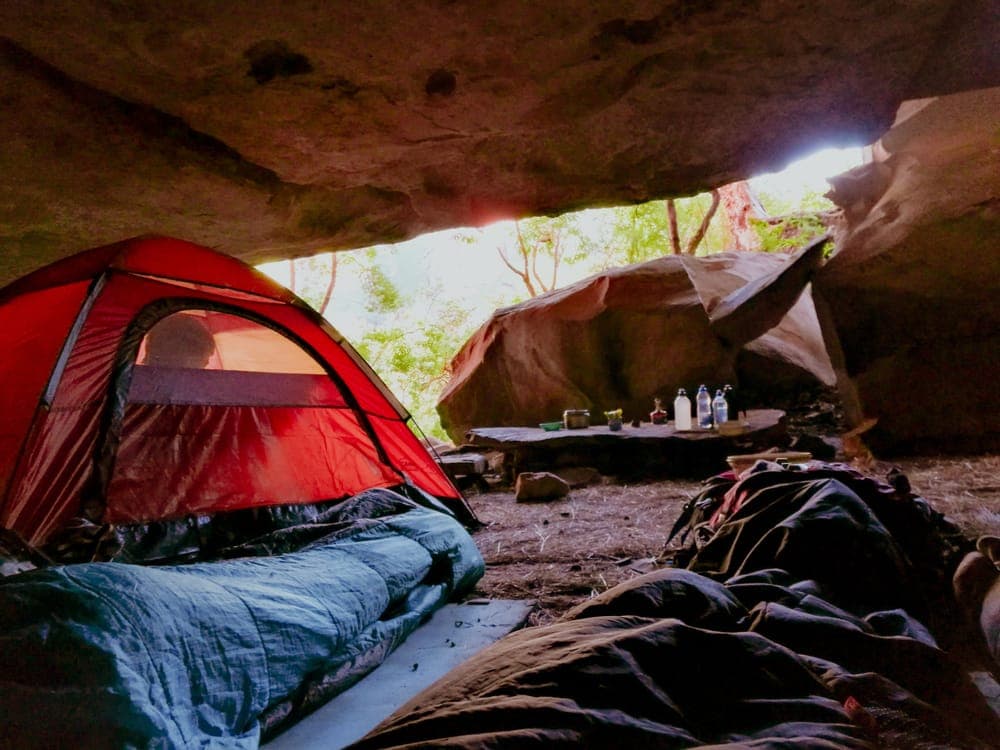
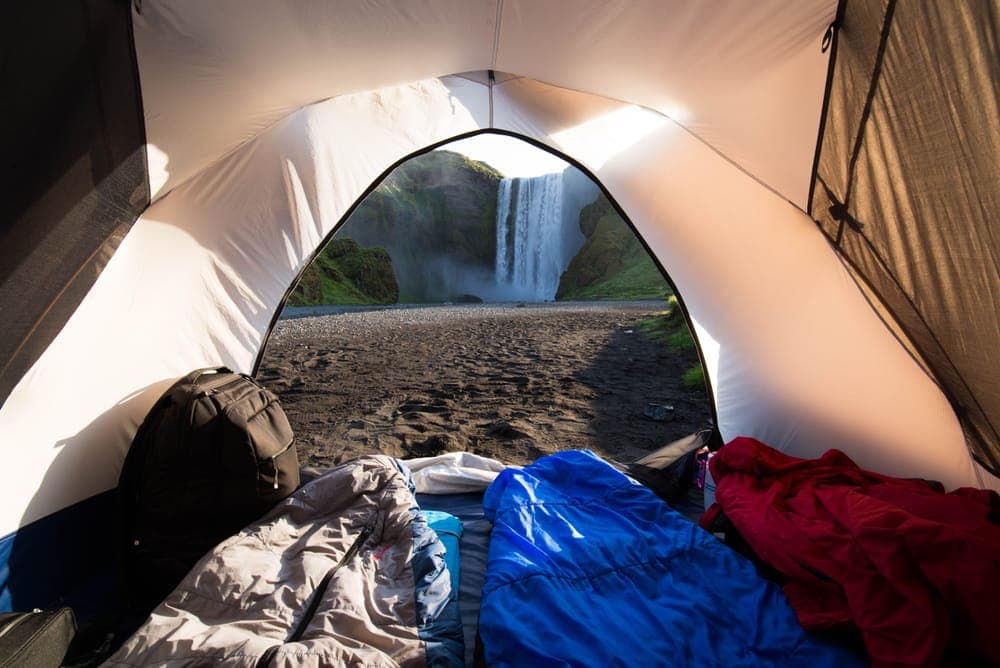
Photos are illustrative, not the product. Scores are spec-derived.
How we scored this
Units we claim to have tested: 0
Most gear sites say they tested everything. We didn't, and we say so. What we did instead: took every weight and list price from the maker's own page, measured each product against a named mainstream reference, and computed grams saved per dollar. Every number links to where it came from.
The score is spec-derived: value and weight are computed from those numbers, and the rest are judgments from published specs, not test results. Commissions never set a score or decide a pick. The formula, weights and references are published.
Questions
Frequently asked
What does the comfort rating on a sleeping bag mean?
How warm is a 20 degree sleeping bag?
Is a 30 degree sleeping bag warm enough for backpacking?
Why don't backpacking quilts have official temperature ratings?
Should I buy a sleeping bag rated colder than I need?
What's the difference between EN 13537 and ISO 23537?
Should I trust the extreme rating on a sleeping bag?
Receipts
Sources
- Therm-a-Rest (Cascade Designs): EN/ISO Sleeping Bag Temperature Ratings blog (checked 2026-09-22)
- Therm-a-Rest (Cascade Designs): Vesper 20F/-6C Down Quilt product page (checked 2026-09-22)
- Paria Outdoor Products: Gear FAQ, Temperature Ratings (checked 2026-09-22)
- Sea to Summit: Ember Down Quilt product page and FAQ (checked 2026-09-22)
- Zenbivy: Core Quilt product page (checked 2026-09-22)
- Kelty: Cosmic Down 20 Sleeping Bag product page (checked 2026-09-22)
- Enlightened Equipment: Revelation Sleeping Quilt product page (checked 2026-09-22)
We haven't tested the gear on this page and we don't pretend to. Weights, list prices and specs come from each maker's own pages (linked on every product), and performance figures such as boil times or flow rates are the maker's claims, labeled that way. Amazon sets its own prices and changes them often, so buy buttons link to the live listing. Where a figure isn't published, we say so. Read the full method.